Have you ever dreamed of flying your very own RC plane? Building one yourself might sound tricky, but it’s easier than you think—and incredibly rewarding.
Whether you’re a beginner or just looking to sharpen your skills, this guide will walk you through every step to create a reliable, fun-to-fly RC airplane. You’ll discover simple materials, smart tips, and essential safety rules to get your plane soaring smoothly.
Ready to turn your passion into action? Keep reading, and by the end, you’ll have the confidence and knowledge to build your own RC plane from scratch. Let’s get started!
You May Like
No products found.
Choosing The Right Rc Plane
Choosing the right RC plane is the first step to enjoy building and flying. The perfect plane matches your skill level and flying goals. It makes learning easier and fun. This guide helps you find the best RC plane to start your hobby.
Best Models For Beginners
Beginner models have simple controls and stable flight. Look for planes with slow speeds and easy handling. Trainers and high-wing designs offer better balance. Popular beginner models include the HobbyZone Champ and the E-flite Apprentice. These planes help build confidence and skills.
Key Features To Consider
Check the size and weight of the plane. Smaller planes are easier to control and repair. Battery life matters for longer flights. Choose planes with replaceable parts for easy fixes. Look for planes with good range and responsive controls. These features improve your flying experience.
Durability And Design
Durable materials protect your plane from crashes. Foam and plastic parts absorb impact well. A strong design keeps the plane balanced in the air. Look for planes with reinforced wings and landing gear. Good design means fewer repairs and more flying fun.
Essential Tools And Materials
Building an RC plane requires the right tools and materials. These essentials make the process easier and more enjoyable. Having good supplies ensures a strong and functional model. Below are key categories of what you need to start your project.
Basic Building Supplies
Start with lightweight wood, like balsa sheets or foam board. These materials form the frame and wings. Use a sharp hobby knife or craft cutter to shape parts. Glue is important; get a fast-drying, strong adhesive like CA glue. Sandpaper smooths edges and surfaces for better fit and finish. Pins or small clamps help hold parts while glue dries. A ruler and pencil assist in precise measurements and markings.
Electronics And Motors
Choose a small electric motor suitable for your plane size. Brushless motors offer better power and efficiency. A matching electronic speed controller (ESC) controls motor speed. Get a lightweight battery, usually a lithium polymer (LiPo). It powers the motor and electronics. A radio transmitter and receiver allow you to control the plane remotely. Servos move control surfaces like the rudder and elevator. Wires and connectors link all electronic parts together.
Safety Gear
Wear safety glasses to protect your eyes from flying debris. Use gloves when handling sharp tools or hot glue. Work in a well-ventilated area to avoid inhaling fumes from glue or paint. Keep a first aid kit nearby for minor cuts or burns. Follow all tool instructions carefully to prevent accidents. Safety ensures a smooth and trouble-free building experience.
Building The Frame
Building the frame is the first big step in making your RC plane. The frame forms the plane’s structure. It must be strong yet light. A well-built frame helps the plane fly better and last longer.
Focus on careful work and precise measurements. A solid frame makes assembly easier. It also improves flight stability and control.
Selecting The Airframe Material
Choose materials that balance strength and weight. Balsa wood is popular for its lightness and ease of cutting. Foam is another option, offering good durability and light weight. Some builders use plywood for extra strength in key areas. Avoid heavy materials that can slow your plane. Check for materials that are easy to shape and glue.
Constructing The Wings
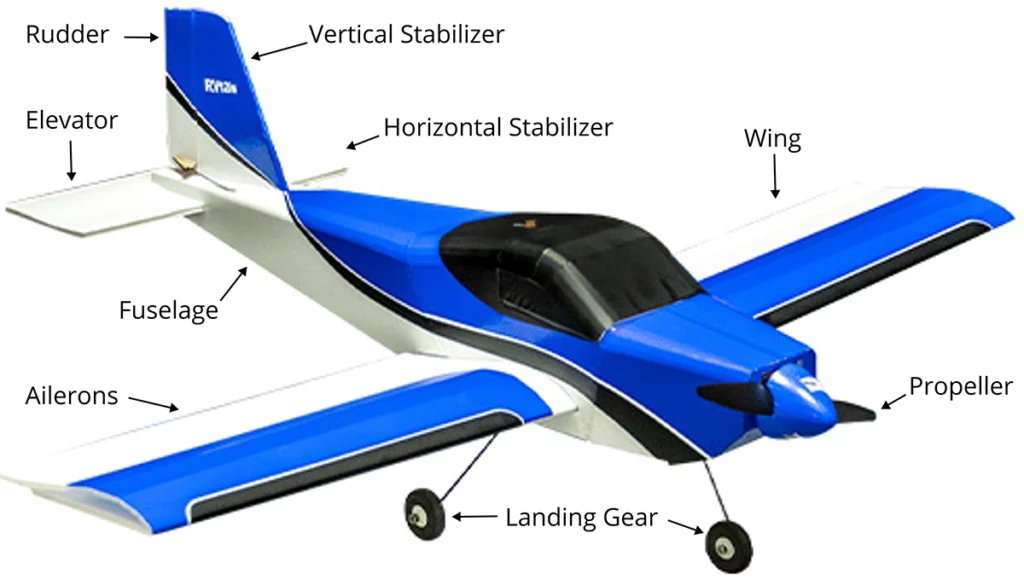
Start by cutting the wing shape from your chosen material. Make sure both wings are the same size for balance. Use ribs to keep the wings strong and in shape. Cover the wings with a thin material like heat-shrink film or tissue paper. This helps with aerodynamics and protects the frame. Attach the ailerons carefully for smooth control during flight.
Assembling The Fuselage
The fuselage holds the plane’s engine and electronics. Build it strong enough to protect these parts. Cut out the sides and connect them with formers and stringers. Keep the fuselage light by hollowing out unnecessary parts. Check that all parts fit tightly before gluing. Smooth edges and joints improve the plane’s look and airflow.
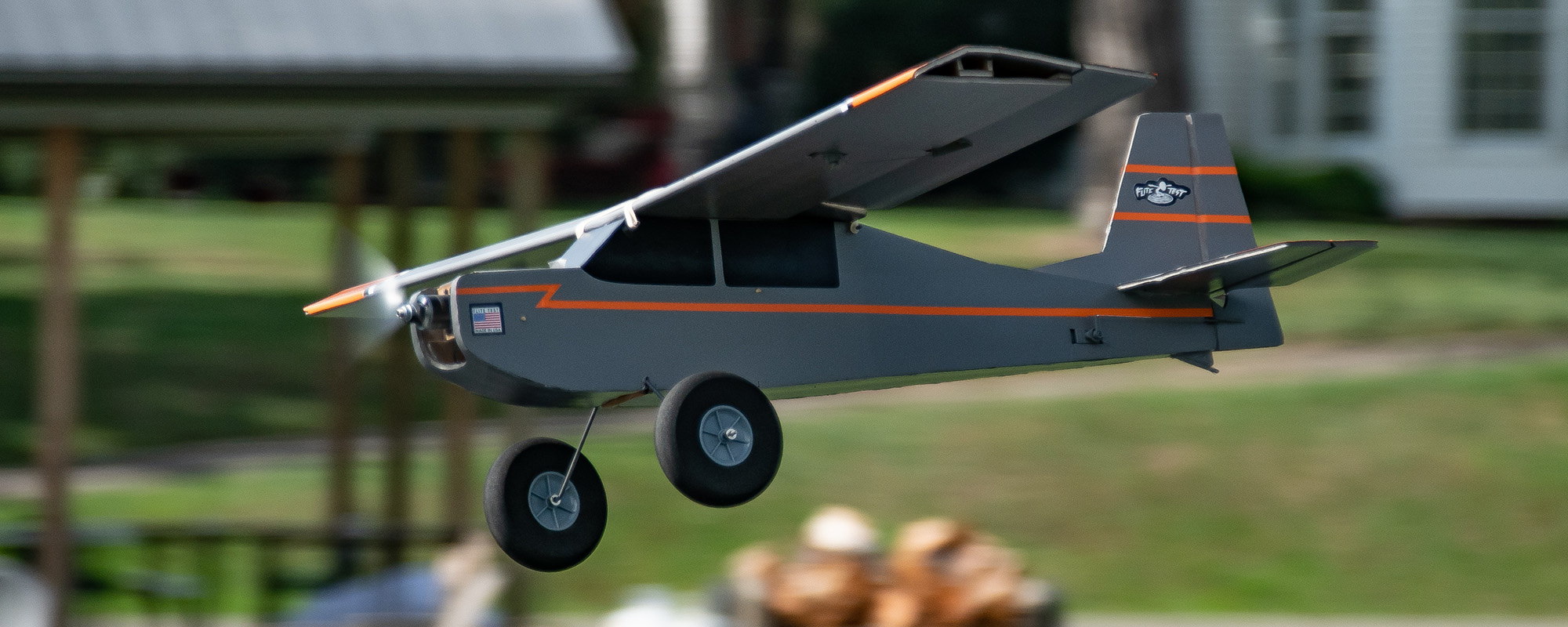
Credit: store.flitetest.com
Installing Electronics
Installing electronics in your RC plane is a key step to bring it to life. Electronics control the plane’s movements and power. Proper installation ensures smooth flight and good response.
Take time to place each component carefully. Secure connections prevent issues during flight. This guide will help you mount the motor and ESC, connect the receiver, and set up the servos.
Mounting The Motor And Esc
Start by attaching the motor to the plane’s nose or designated mount. Use screws or brackets that fit well. The motor must be tight to avoid vibrations.
Next, install the ESC (Electronic Speed Controller) near the motor. The ESC controls motor speed from the transmitter. Connect the ESC wires to the motor and power source. Secure all wires to prevent loose connections during flight.
Connecting The Receiver
Place the receiver in a safe spot inside the plane’s fuselage. Avoid areas with metal parts to reduce signal interference. Use double-sided tape or Velcro for mounting.
Connect the receiver to the ESC and servos with the right cables. Make sure each cable plugs into the correct channel. Double-check connections for a reliable signal.
Setting Up The Servos
Install servos in the wings or control surfaces. Fix them firmly with screws or brackets. Connect servo arms to control horns on the plane’s rudder, elevator, or ailerons.
Attach servo wires to the receiver channels. Test the servo movements using the transmitter. Adjust the linkages for smooth and accurate control of the plane’s direction.
Balancing And Weight Distribution
Balancing and weight distribution are critical steps in building an RC plane. Proper balance ensures smooth flights and better control. Uneven weight can cause the plane to tilt, making it hard to fly. Understanding how to balance your plane improves flight stability and performance.
Center Of Gravity Importance
The center of gravity (CG) is the point where the plane balances. It affects how the plane behaves in the air. A CG too far forward makes the plane nose-heavy, causing it to dive. A CG too far back makes it tail-heavy, leading to stalls or spins. Finding the right CG helps maintain steady flight and easy control.
Adjusting Components For Balance
Move parts like the battery, motor, and receiver to adjust balance. Add small weights if needed to achieve the correct CG. Test the balance by supporting the plane at the CG point. Adjust until the plane stays level without tipping forward or backward. Proper component placement helps the plane fly smoothly and respond well to controls.
Pre-flight Checks
Pre-flight checks are crucial before flying your RC plane. These checks ensure safety and smooth flight performance. Skipping them can lead to accidents or damage. Each component must work perfectly to avoid in-air failures.
Control Surface Testing
Test all control surfaces like ailerons, elevators, and rudders. Move the transmitter sticks and watch the surfaces respond. They should move smoothly without hesitation or noise. Check for correct direction; a reversed control causes crashes. Adjust linkages if needed for proper movement range.
Range Testing The Radio
Range test ensures your radio signal stays strong during flight. Turn on the transmitter and receiver, then walk away slowly. Watch for any signal loss or delayed responses. A good range prevents losing control of the plane. Fix antenna issues or replace batteries if range is weak.
Battery And Power Checks
Verify your batteries are fully charged before flying. Inspect battery connections for secure fit and no damage. Test the power system by running the motor at low throttle. Look for unusual sounds or vibrations. Proper power checks prevent mid-flight power loss or crashes.
Flying Regulations And Safety
Flying an RC plane is exciting but requires strict attention to safety and regulations. Understanding the rules helps protect you, others, and the environment. Always follow local laws and best practices for safe flying.
Before taking off, know the guidelines set by aviation authorities. This ensures a fun and safe experience for everyone.
Faa Recreational Rules
The Federal Aviation Administration (FAA) regulates all RC aircraft in the U.S. Hobbyists must follow these basic rules:
- Fly below 400 feet above ground level.
- Keep your plane within your line of sight at all times.
- Do not fly near airports or manned aircraft.
- Fly for personal enjoyment only, not for business.
- Respect privacy and avoid flying over people or private property.
Following these rules prevents accidents and legal issues. The FAA updates rules regularly, so check their website often.
Trust Test And Registration
All recreational RC pilots must pass the free Recreational UAS Safety Test (TRUST). This test covers safety and legal requirements.
After passing TRUST, keep proof with you when flying. This shows you understand the rules.
Registration is also required for drones and RC aircraft weighing more than 0.55 pounds. Register your plane online and mark the registration number on the model.
Registration helps identify your aircraft in case of an incident and promotes responsible flying.
Flying Etiquette And Locations
Choose safe and legal locations to fly your RC plane. Public parks, open fields, and designated RC flying sites are best.
Always ask for permission if flying on private property. Avoid crowded areas to reduce risks.
Follow local community guidelines and respect other hobbyists. Share the space and wait your turn.
Keep noise and disturbances low. Never fly near wildlife or sensitive areas.
Good manners and smart site choices make flying enjoyable for everyone.
Tips For First Flight
Taking your RC plane on its first flight is exciting and a bit nerve-wracking. Preparing well can make this experience smooth and enjoyable. Follow these simple tips to help your plane soar successfully on its maiden flight.
Choosing The Right Weather
Pick a day with calm winds and clear skies. Wind speeds under 10 mph are ideal. Avoid flying in rain or fog. Dry conditions help maintain control and visibility. Flying in bright daylight improves your ability to see the plane.
Launching Techniques
Hold the plane gently but firmly before launch. Aim the plane slightly upward to gain lift. Use a smooth, steady throw rather than a fast one. Let the plane’s motor power assist after launch. Always launch into the wind for better control.
Handling Common Issues
Check all controls before flying to avoid surprises. If the plane veers left or right, adjust the trim settings. Keep calm if the plane dips or stalls; gently raise the nose. Practice slow and smooth control movements to stay steady. Have extra batteries and tools ready for quick fixes.
Maintenance And Repairs
Maintenance and repairs keep your RC plane flying longer and safer. Regular care helps spot small issues before they grow. Fixing damages quickly prevents bigger problems. Upgrading parts can improve performance and durability. A well-maintained plane offers better control and fun.
Routine Inspections
Check your RC plane before and after each flight. Look for cracks, loose screws, and worn parts. Inspect the wings, propeller, and landing gear closely. Test the control surfaces to ensure smooth movement. Check battery connections and wiring for damage. Clean dirt and dust from all parts. Routine inspections catch issues early and keep your plane ready.
Fixing Common Damages
Cracked wings or broken propellers are common damages. Use glue or tape designed for model planes to fix small cracks. Replace damaged propellers immediately to avoid crashes. Tighten any loose screws or bolts. Repair torn fabric or covering with special patches. Fixing damages quickly helps maintain flight performance and safety.
Upgrading Components
Upgrade motors and batteries for better power and flight time. Choose lightweight parts to improve speed and agility. Replace old servos with more precise models for better control. Use stronger landing gear to handle rough landings. Upgrading components keeps your RC plane competitive and fun to fly.
Credit: beginner.flitetest.com
Frequently Asked Questions
How Much Does It Cost To Build An Rc Plane?
Building an RC plane typically costs between $50 and $300. Prices vary by materials, motor, electronics, and complexity. Basic kits start around $50, while advanced models with high-quality components can reach $300 or more. Budget for batteries, controllers, and tools to complete your build.
Do You Need Permission To Fly An Rc Plane?
You need permission to fly an RC plane by passing the FAA’s free Recreational UAS Safety Test (TRUST). Register your drone and follow community safety rules. Keep the plane within visual line of sight and avoid restricted airspace. Commercial flying requires additional certification and licenses.
What Is The Best Rc Plane For Beginners?
The best RC plane for beginners is the HobbyZone Apprentice S. It offers self-leveling SAFE technology, stable flight, and easy visibility. Its durable design and included gyro help new pilots learn quickly. This Ready-To-Fly model comes with everything needed for a smooth start.
Is Rc Plane An Expensive Hobby?
RC plane hobby costs vary widely; beginner kits start around $50, while advanced models can exceed $500. Maintenance and upgrades add expenses. Overall, it can be affordable or costly depending on your goals and equipment choices.
Conclusion
Building an RC plane takes patience and practice. Start with simple parts and follow clear steps. Test your plane in open spaces to stay safe. Keep learning from each flight to improve your skills. Enjoy the fun of flying your own creation.
This hobby can bring hours of joy and learning. Remember, careful planning makes a big difference. Happy flying!