
Choosing the right drone release mechanism depends entirely on your drone model and your specific payload needs. You’re essentially balancing weight capacity against ease of installation and control precision. The main difference is whether you prefer a dedicated, model-specific device for seamless integration or a universal, strap-on system for flexibility.
Best overall: Hanatora Payload Airdrop. This device offers a clean, purpose-built design for specific DJI models, ensuring reliable one-button control without needing extra remote gear or complicated, manual strap setups.
Best for professional precision: Release and Drop Phantom. This system provides dual-mode control and patented engineering, making it the choice for users who need guaranteed reliability and stable flight performance for serious work.
Best for heavy industrial use: LKTOP Matrice Dropper. Designed for large-scale operations, this unit handles significant weight and offers a multi-stage release system, perfect for those operating high-end, heavy-lift drones.
This guide is for hobbyists and professionals who want to safely add drop capabilities to their existing drone setups.
How We Picked
Our selection focused on listings that provided clear technical specifications, including maximum load capacity, power source, and installation requirements. We prioritized units that explicitly stated compatibility with popular drone series to help readers avoid connectivity issues. Products were excluded if the listing failed to define basic operational parameters or lacked clear guidance on how the device interacts with the drone’s flight systems.
All 10 products side by side — scroll sideways to see every column.
| Best Choice | ||||||||||
| Preview |  |  |  |  |  |  |  |  |  | 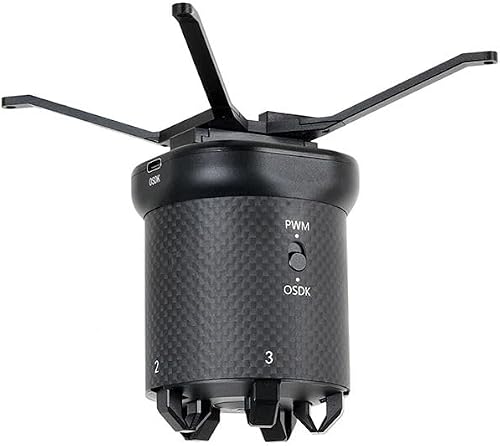 |
|---|---|---|---|---|---|---|---|---|---|---|
| Product | Hanatora Payload Airdrop | Universal Drone Airdrop | Release and Drop Phantom | LKTOP Matrice Dropper | Mantis Mechanical Claw | Universal Airdrop System | Mini 4 Pro Airdrop System | Universal Drone Payload Clip | Release and Drop Mavic | Matrice Airdrop Release Device |
| Brand | Hanatora | Amanely | DRONE SKY HOOK | LKTOP | Daltsen | Beciquook | MEIMEIYA | ERDONE | DRONE SKY HOOK | JLYXBFP |
| Best for | Best Overall | Best Universal Compatibility | Most Professional Grade | Best for Heavy Payloads | Best Mechanical Precision | Simplest to Use | Recommended | Recommended | Recommended | Recommended |
| The listing says | Compatible with DJI Air 2s, Mavic Air 2 Operated via drone remote controller | Remote control signal distance within 1 km Motor-driven release mechanism | U.S. Patent No. 10,933,995 Tool-free mounting for Phantom 4 | Compatible with Matrice 400, Matrice 350 RTK 22.05 lb maximum single hook capacity | Combines mechanical claw and airdrop [system Fits Mini 5 Pro](https://expertofrc.com/what-is-the-best-mini-drone-to-buy/), Mini 4, Mini 3, Mini 2, Air 3, Air 2S, Mavic 3, Mavic 4 | Compatible with DJI Mini, Air, Mavic series Velcro mounting system | Not stated | Compatible with most drone models 3D printed shell, weighs 30 grams | U.S. Patent No. 10,933,995 Tool-free mounting for Mavic Pro | 55lbs total capacity, 11lbs per claw Compatible with DJI Matrice 300 RTK |
| More information | Check Price on Amazon | Check Price on Amazon | Check Price on Amazon | Check Price on Amazon | Check Price on Amazon | Check Price on Amazon | Check Price on Amazon | Check Price on Amazon | Check Price on Amazon | Check Price on Amazon |
1. Hanatora Payload Airdrop Release Drop Device
Best for: DJI Air 2S and Mavic Air 2 owners.
This device is designed specifically for two DJI models, which simplifies the setup process significantly. Because it uses the drone’s own remote controller for operation, you get a clean, integrated experience without needing to carry a secondary transmitter. You can drop items at any distance the drone can reach, provided you stay under the 500g maximum load limit.
The unit attaches using a positioning groove, which removes the guesswork during installation. Always verify the orientation; if the thrower is mounted incorrectly, your remote controller will trigger an alarm immediately upon startup. If you hear this alert, stop and readjust the fit before attempting flight. It’s critical to use a short lanyard for your payload. Long cords can cause the load to swing, which risks destabilizing the drone or tangling the propellers. The system includes extended landing gear, which is necessary to keep your payload from dragging on the ground during takeoff.
Pros
- Dedicated design for specific drones.
- One-button remote controller operation.
- Includes necessary extended landing gear.
Cons
- Not compatible with older Mavic Air models.
- Requires careful lanyard length management.
2. Universal Drone Airdrop
Best for: Pilots who fly multiple different drone brands.
This system uses a Velcro-based mounting method, meaning it can be strapped to the belly of most drone bodies. Because it comes with its own separate remote control, you don’t need to wire into the drone’s internal electronics. The system functions within a 1km signal range, allowing for precise, motor-driven release of payloads.
This setup is ideal for those who want a quick, “plug-and-play” solution without permanent modifications. Before takeoff, perform a manual shake test to ensure the device isn’t loose. If the mounting feels unstable, adjust the Velcro straps until the unit remains rigid against the drone’s frame.
If the hook position deviates during flight, press the black button on the side to realign the release point. For the most stable flight path, always pair this device with your drone’s landing gear.
Pros
- Works with a wide variety of drones.
- Separate remote control with 1km range.
- Quick and easy Velcro installation.
- Adjustable hook position for payload control.
Cons
- Requires manual security checks before every flight.
- Not for DJI Phantom or Inspire drones.
- Velcro must be perfectly tight to prevent mid-air shifting.
3. Release and Drop Phantom
Best for: Professionals requiring high-precision bait or supply drops.
This device stands out due to its dual-mode control, allowing you to trigger a drop via the drone’s C1/C2 buttons or through a specific YAW maneuver. This provides a backup method if the primary signal is interrupted, which is vital for high-stakes missions.
The design is lightweight, focusing on maintaining the aerodynamics of the Phantom 4 series. It isn’t the right choice for someone looking for a universal clip, as it’s engineered specifically for this high-performance drone series.
Pros
- Patented, professional-grade engineering.
- Dual-mode redundant control system.
- Doesn’t block drone sensors.
Cons
- Specific to DJI Phantom 4 series.
- Requires more technical setup than simple clips.
4. LKTOP Matrice 350 RTK/400 Payload Dropper
Best for: Emergency responders and heavy-lift logistics.
This dropper is built for the Matrice 350 and 400, offering a total load capacity of 55lb that dwarfs consumer-grade alternatives. The 4-stage release mechanism allows you to drop four separate items in sequence or all at once, which is a significant advantage for complex rescue missions.
The unit provides real-time status indicators, so you know exactly which hooks are loaded and ready. If the system detects an abnormality, it triggers a reminder to prevent accidental drops. This ensures the security of your gear during flight, which is critical when transporting sensitive emergency supplies.
You must choose between sequential drops for precision or one-button full deployment for speed. If you’re operating in remote areas, use the sequential mode to manage multiple delivery points. It isn’t intended for the casual hobbyist, as the 0.46lb weight is specifically optimized for large industrial airframes.
Pros
- Massive payload capacity for heavy items.
- Sequential multi-stage release system.
- Real-time status feedback indicators.
Cons
- Only fits specific Matrice models.
- Heavy build not suitable for small drones.
5. Mantis Mechanical Claw
Best for: Users who need to grab and release objects precisely.
Unlike standard hook-and-release systems, this device uses a mechanical claw to physically grip items. This makes it far more versatile for picking up small objects or feeding wildlife where a simple loop might slip off.
The claw is designed to be lightweight, so it doesn’t add significant drag to your drone. Note that because it’s a mechanical device, you should check that the grip is secure before takeoff, especially when flying in windy conditions. If you’re flying in gusts, the built-in locking mechanism is your primary defense against accidental drops. Rely on this lock to keep the payload stable during transit.
If you’re carrying items for emergency rescue or fishing, prioritize a centered, balanced load to prevent the drone from tilting during flight. Avoid over-tightening the mounting kit during installation; it’s designed to attach without damaging the drone body.
Pros
- Mechanical claw provides secure gripping.
- Works with a wide range of DJI models.
- Precise control for fixed-point drops.
Cons
- Not for very large or heavy payloads.
- Mechanical parts require occasional inspection.
- Drone, bait, and payloads aren’t included.
6. Universal Airdrop System
Best for: Hobbyists wanting a simple, reliable system.
This system is a universal option that uses Velcro straps to secure the device to the drone’s underside. It’s a straightforward, motor-driven tool that avoids the complexity of integrating with internal drone software. You must adjust the strap tension based on your specific model to ensure the unit stays firm. Before takeoff, always shake the device by hand; if it shifts at all, tighten the binding until it remains completely stationary.
Pros
- Simple, quick installation.
- Rechargeable with long standby time.
- Wide compatibility across DJI series.
Cons
- Not for Phantom or Inspire drones.
- Velcro mounting requires careful alignment.
7. Mini 4 Pro Airdrop System
Best for: Owners of the latest Mini-series drones wanting a dedicated drop tool.
This system is built for the specific dimensions of the Mini 4 Pro, ensuring it stays out of the way of the drone’s sensors and flight stability. It provides a quick-release mechanism that makes it easy to attach and remove between flights.
If you’re flying in high-wind conditions, avoid using this system for bulky items. The drone’s small frame is sensitive to drag, and extra weight can rapidly drain your battery life. Always test your payload on the ground first to ensure the release mechanism clears the landing gear.
Since the listing doesn’t provide detailed technical specs on the release method, it’s best suited for users who prefer a simple, direct-fit accessory. It isn’t for pilots who want advanced programmable drop patterns or heavy-lift capabilities. If your mission requires precision delivery, stick to lightweight items like fishing bait or small markers.
Pros
- Designed specifically for the latest Mini-series drone.
- Lightweight and compact build.
- Quick-release mounting system.
Cons
- No advanced technical features listed.
- Limited to light payloads.
8. Universal Drone Payload Clip
Best for: Users who want a lightweight, 3D-printed solution.
This clip is made using 3D printing technology, keeping the total weight at just 30 grams. It’s an ideal option for small drones where every gram matters to maintain flight time and maneuverability. Because the device is so light, installation doesn’t interfere with the flight performance of your quadrotor.
The kit includes a sling, a small hoop, and a parachute for casual outdoor use. To install the device, use the provided Velcro to bind the clip to the belly of your drone. You must adjust the strap tension based on your specific model. Before takeoff, shake the device by hand; if the clip feels loose, tighten the binding until it’s completely firm.
While this device fits almost all models, avoid using it with DJI Phantom 3, 4, or Inspire 1 and 2 drones. A separate remote control operates the motor-driven release from up to 1 km away. If your drone lacks a flat surface on the belly to secure the Velcro, the clip may shift during flight, potentially destabilizing your aircraft.
Pros
- Very lightweight construction.
- Includes extra accessories like a parachute.
- Universal fit for many DJI models.
Cons
- 3D-printed material is less rugged.
- Velcro method is less permanent.
9. Release and Drop Mavic
Best for: Mavic 1 Pro and Platinum owners.
This is the professional-grade choice for the original Mavic Pro series, sharing the same patented technology as the Phantom version. It maintains the drone’s aerodynamics, ensuring you don’t lose flight time or stability while carrying a load. The system weighs only 1.9 oz, keeping the craft balanced during flight.
If you own an older Mavic Pro, this is the most reliable way to add drop functionality without risking the drone’s sensors. You can trigger the payload using either the C1/C2 remote buttons or a simple YAW maneuver for streamlined, single-action operation. This dual-mode redundancy ensures you have a backup if one control method fails during a mission.
It isn’t for users with newer drones, as the mounting hardware is specific to the older frame. If you attempt to force the mount onto a different model, you risk damaging the sensors or obstructing the auxiliary light. Always verify your specific Mavic version before installation to ensure the tool-free mount secures properly.
Pros
- Patented, high-reliability design.
- Keeps all drone sensors operational.
- Professional-grade build quality.
Cons
- Limited to Mavic 1 series.
10. Matrice Airdrop Release Device
Best for: Industrial operators using the Matrice 300 RTK.
This device is a powerhouse, featuring five independent hooks that can carry a combined weight of 55 lbs. Each individual claw supports 11 lbs, allowing for sequential single-point drops during multi-task delivery missions. It’s designed for serious, industrial-level work where you need to drop supplies at different locations in a single flight.
The carbon fiber construction makes it incredibly strong yet light, ensuring no impact on normal flight performance. It operates reliably in temperatures ranging from -4°F to 113°F, making it suitable for harsh outdoor environments like fire rescue or emergency supply delivery.
It’s strictly for professional use, as it requires integration with the drone’s OSDK and app. If you’re a casual hobbyist, the complexity of this technical integration will likely outweigh the benefits. Only choose this device if your workflow demands high-capacity, remote-controlled deployment.
Pros
- Massive 55 lbs total capacity.
- Five independent release hooks.
- Rugged carbon fiber build.
Cons
- Only fits Matrice 300 RTK.
- Requires technical software integration.
How to Choose the Best Offshore Fishing Drone Release Mechanism
Which type of mechanism is most reliable?
The most reliable mechanisms are those that integrate directly into the drone’s flight controller, such as the Hanatora Payload Airdrop or the DRONE SKY HOOK systems. These devices use the drone’s own software to trigger the drop, which reduces the chance of signal interference. Mechanical or separate remote-controlled systems are easier to install on a wide range of drones, but they add an extra piece of hardware to manage. If you’re flying in an area with a lot of radio noise, a dedicated system that communicates through the drone’s own encrypted link is always the safer choice. Always verify that your chosen device doesn’t block your drone’s downward sensors, as this can affect landing stability.
What should I check before ordering?
Before you buy, confirm the weight of the item you intend to carry and ensure your drone can handle that specific load without exceeding its maximum takeoff weight. You must also check your drone’s belly clearance; some devices require you to attach extended landing gear to prevent the payload from hitting the ground during takeoff. Always look at the mounting method—Velcro straps are flexible but require constant checking, while snap-on or screw-in mounts are more secure. If you’re using your drone for commercial drone operations, ensure that adding a payload device doesn’t violate local regulations or your drone’s specific safety guidelines regarding flight stability and weight limits.
Is the simplest device enough?
For most hobbyists, a simple clip or universal strap-on system is more than enough for basic tasks like dropping fishing bait or lightweight gifts. These systems are easy to move between different drones and don’t require any complex software setup. However, if your mission involves sensitive items or high-value equipment, the simplicity of a universal clip is a drawback. In those cases, you need the precision and redundancy of a professional-grade device that offers dual-mode control and status feedback. The simplest option is perfect for fun and experimentation, but it lacks the safety and reliability features that professional rescue or logistics missions demand. Never compromise on security when the payload is mission-critical.
The Hanatora Payload Airdrop remains our top pick for its perfect balance of ease and integration on popular DJI models. For those needing extreme performance and heavy-lift capability, the LKTOP Matrice Dropper provides the industrial-grade reliability required for professional tasks. Before you make your final selection, double-check your drone’s specific model number and the weight of your intended payload to ensure the device you choose fits perfectly and operates safely. Once your new mechanism arrives, spend some time practicing your takeoffs and landings in an open, grassy area to get a feel for how the added weight and the release trigger affect your drone’s flight characteristics before you head out over the water.
Frequently Asked Questions
What does a drone release mechanism need to work?
Every release mechanism requires a solid mounting point and a signaling method. Most consumer devices use light sensors to trigger the release, while professional units plug into the drone’s OSDK port. Always verify compatibility with your drone’s landing gear to ensure the payload clears the ground during takeoff.
What does owning one of these ask of the buyer?
You must perform diligent pre-flight checks to ensure the release hook is secure and the payload is balanced. Confirm the lanyard length prevents propeller contact and inspect mounting straps for wear. Additionally, manage the device’s internal battery life to ensure it remains charged before every flight.
What goes wrong first on these devices?
The most common points of failure for release mechanisms are the mounting hardware and trigger components. Velcro or adhesive straps can degrade over time, while mechanical parts may collect debris. If using a light-sensitive trigger, keep the drone’s auxiliary light clean to ensure the signal is received correctly.
Is the simplest one on the list enough?
Universal clips are ideal for casual users dropping lightweight items like fishing bait. These systems are easy to install and require no technical expertise. For precision tasks like rescue operations or delicate deliveries, professional-grade integrated systems provide the consistent, reliable performance necessary for complex missions.
Conclusion
Once you’ve picked your gear, take it to a quiet beach for a few test flights without any bait attached. It’s important to get comfortable with the release timing before you head out into deep water. You’ll feel much more confident once you’ve practiced the drop a couple of times.


