
Choosing the best heavy payload drone for shark baiting depends on your required payload capacity, controller interface, and stabilization features. The market is split between the GPS Fishing Drone for long-range, all-in-one performance and the FPV Fishing Drone for beginners seeking a simple, reliable setup for recreational trips.

- 600G payload release system
- 7.2-inch HD touchscreen remote
- 4K camera with 3-axis gimbal
- 10KM HD FPV transmission

- 2.7K dual cameras with 3-axis gimbal
- 0.66 lbs payload release capacity
- 4-way obstacle avoidance system
- 50-minute total flight time

- GPS positioning with one-key drop
- 1080P camera with 180-degree adjustment
- 4.5-inch screen FPV remote
- Omni-directional obstacle avoidance

- One-click airdrop mechanism
- 1504 brushless motors
- GPS and optical flow positioning
- 4.5-inch screen remote controller

- Cargo dropping function
- Dual HD camera with EIS stabilization
- 4.3-inch screen remote control
- Optical flow and obstacle avoidance

- 3-axis mechanical gimbal
- 4K/30fps video and 6K photo
- One-key takeoff and landing
- GPS auto return-to-home

- 6K camera with 3-axis gimbal
- GPS and TOF sensors
- Smart GPS flight modes
- 10,000ft transmission and 70-minute flight
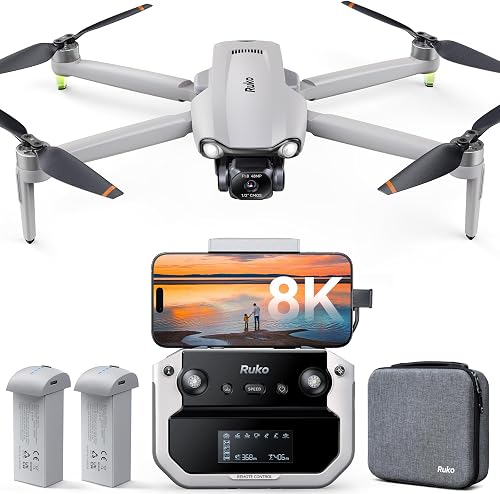
- 48MP 1/2-inch CMOS sensor
- 4K/30fps video recording
- 74 minutes total flight time

- Follow Me and Point of Interest
- 4K photos and 1080P videos
- GPS and optical flow positioning
- 90 minutes total flight time

- 3-axis gimbal with 4K camera
- 360-degree obstacle avoidance
- Dual-camera system
- 4.3-inch HD screen controller
1. Drones with Camera for Adults 4K
Best for: Serious anglers needing long-range delivery and phone-free flight control.
This drone is built for those who require a dedicated tool for offshore or remote lake fishing. The 7.2-inch integrated touchscreen remote is the standout feature, allowing you to monitor your flight and bait drop without needing to manage a separate smartphone or app connection. By removing the phone from the equation, you eliminate the risk of app crashes or battery drain on your personal device during a long day on the water.
The integrated payload system handles up to 600 grams, designed for precision drops over lakes, rivers, reservoirs, and offshore locations. This capacity allows you to reach spots well beyond traditional casting range. The GPS Fishing Drone features a 3-axis gimbal and EIS to minimize vibration during movement. You can rely on the 4K camera to document your catch with minimal vibration.
With 360-degree obstacle avoidance and 120 minutes of total flight time provided by three intelligent batteries, the drone supports extended sessions over complex environments. Use the GPS Auto Return feature if you lose sight of the craft or if the signal weakens.
If you’re navigating dense trees or rocky shorelines, rely heavily on the omnidirectional obstacle avoidance sensors. These sensors prevent collisions that often occur when pilots focus too much on the screen and not enough on the surrounding terrain.
You should choose this model if you value a dedicated interface over the convenience of a smartphone app. The 10KM HD FPV transmission range is meant for those who need to scout large bodies of water. If your fishing trips are short and local, the extra weight of the three-battery system may feel like overkill. Only invest in this hardware if you intend to utilize the full payload capacity and the long-range transmission capabilities.
Good if: * You want to fly without using your personal phone. * You need extended flight time for multiple drops. * You prefer a dedicated touchscreen interface for FPV.
Skip it if: * You want a lightweight, highly portable quadcopter. * You’re a beginner on a very strict budget.
2. FPV Drone with 2.7K Camera
Best for: Users needing steady, gimbal-stabilized footage during payload drops.
This drone focuses on balancing stable video recording with its airdrop capability. The mechanical gimbal ensures that your camera remains steady even when the drone is battling winds. This stabilization is essential if you want to record the release process without shaky, unusable footage.
Its 0.66 lb payload capacity makes it versatile for various outdoor activities beyond just fishing. You can use the built-in one-key airdrop structure for camping or outdoor parties. Because it uses a foldable design, it’s easier to store in a backpack than larger, rigid models.
If you’re flying in complex, windy conditions, rely on the 3-speed adjustable modes. The brushless motors provide the necessary power to maintain a stable hover. If the drone detects a barrier, the 4-way obstacle avoidance system will actively work to prevent a collision.
The 50-minute total flight time comes from two included batteries. If you’re flying and notice the battery getting low, the system triggers an automatic return to home.
You should choose this model if you value a complete, ready-to-fly package. It includes a 16GB memory card, spare propellers, and a carrying case, meaning no extra purchases are required. The 4.92-inch touchscreen remote simplifies the process of adjusting camera angles or switching flight modes.
Use the 5G FPV transmission to view your footage in real-time. If you’re tracking a moving subject, enable the smart follow mode to keep the action centered. If you’re shooting solo, use gesture shooting to trigger the camera without touching the remote.
Skip this model if your payload requirements exceed the 0.66 lb limit. Attempting to carry heavier items will strain the motors and risk a crash. Always verify the weight of your cargo before takeoff to ensure you stay within the safe operating range.
Good if: * You need high-quality, stable video of your drops. * You require a foldable design for easy hiking. * You want a complete, ready-to-fly package.
Skip it if: * You need more than 50 minutes of airtime. * Your payload requirements exceed the 0.66 lb limit.
3. GPS Drone with 4K UHD Camera
Best for: Beginners who want a simple, integrated one-key drop function.
This model is designed to be user-friendly, featuring an intuitive one-key drop release that simplifies the process for newcomers. It includes a 4.5-inch screen on the remote, which keeps your flight experience contained to the hardware provided in the box.
The Airdrop GPS Drone features a foldable body and weighs 248g. It’s a solid choice for family entertainment or light gift delivery, but it lacks the heavy-duty power of professional-grade fishing drones.
Good if:
- You’re a first-time drone pilot.
- You want a simple, push-button release mechanism.
- You prefer a very lightweight, portable frame.
Skip it if:
- You fly frequently in high-wind conditions.
- You need a long-range transmission for deep-sea fishing.
4. Airdrop Camera Drone
Best for: Content creators who want gesture control and smart flight modes.
This drone stands out by adding creative shooting features like gesture control and smart orbit modes to the standard payload release functionality. It’s ideal if you want to record your own fishing or camping trips with cinematic-style shots without manual piloting.
The 1504 brushless motors provide a balance of power and silence. This helps the drone maintain a stable position for clearer photos. If you find the drone drifting in moderate wind, rely on the dual GPS and optical flow sensors to lock your position. These sensors ensure the aircraft stays steady even if you’re a novice flyer.
Use the automated payload drop for light items like picnic supplies or small gifts. Don’t attempt to carry heavy objects that exceed the drone’s thrust capacity. If the drone struggles to gain altitude after a delivery, the payload is likely too heavy for the brushless system.
The integrated 4.5-inch screen on the controller allows you to monitor your framing in real-time. This is essential when using the gesture control features. Use simple hand signals to trigger photos or video recordings when you’re flying solo. This prevents the need to fumble with controller buttons while trying to frame a shot.
If you’re flying in a complex environment, keep the 4-sided obstacle avoidance enabled. This feature is designed to prevent collisions in tight spaces. If the drone detects an object, it will stop or adjust its path automatically. Rely on the auto-return function if your battery level drops or if you lose orientation.
Its design is geared toward interactive fun and photography rather than heavy-duty lifting. If your primary goal is professional-grade heavy transport, look for a larger industrial platform.
Good if: * You enjoy using gesture controls for recording. * You want cinematic flight modes like orbit or follow. * You need a quiet, brushless motor system.
Skip it if: * You need to carry heavier, larger items. * You aren’t interested in advanced camera features.
5. FPV Fishing Drone
Best for: Novice anglers looking for an accessible entry into drone fishing.
This drone is designed for those who want to try drone fishing without a complex learning curve. The inclusion of both optical flow and GPS positioning helps it stay stable, which is a significant help for a beginner managing a drone over water. You can freely switch between these modes to fit various complex outdoor shooting environments.
The 4.3-inch screen on the controller ensures you have a live view without needing to pair a phone. This brings an immersive first-person view experience for beginners and veteran users alike. Its 245g weight is also a plus for those concerned about aviation regulations. This compact body exempts most regional drone registration and certification procedures, allowing you to fly freely.
If you’re a beginner, rely on the sensitive obstacle avoidance sensor to prevent collisions. The drone will trigger an auto emergency stop if it detects trouble. You should also utilize the automated return-to-home, low power auto return, and signal loss return features to lower your flying risks. If your battery level drops, the drone handles the return trip for you.
The package includes two batteries, each providing up to 25 minutes of flight time. This gives you a total of 50 minutes to complete your delivery or capture footage. Use the exclusive cargo dropping function for small item delivery during camping or field exploration. The premium brushless motor ensures stable performance even in windy conditions.
It isn’t for experienced pilots who require long-range transmission or industrial-grade payload strength. If you need professional-grade signal range, look elsewhere. This unit is built for hobby enthusiasts and outdoor lovers who want to enrich their flight entertainment.
Good if: * You’re a complete beginner to drone fishing. * You want a lightweight drone that avoids complex registration. * You need a simple, all-in-one control system.
Skip it if: * You need a professional-grade long-range signal. * You require a high-capacity payload system.
Choosing the best heavy payload shark baiting drone
These drones share a commitment to “ready-to-fly” convenience, with nearly every model including a dedicated screen on the remote and multiple batteries. The Airdrop GPS Drone, Airdrop Camera Drone, and FPV Fishing Drone are particularly close in their internal logic. They all focus on the 245g-248g weight class, which is no coincidence given the regulatory benefits of staying under that threshold.
If you’re choosing between these three, the difference isn’t in their core payload ability, but in the secondary features. The Airdrop Camera Drone wins if you want gesture controls, while the FPV Fishing Drone is the choice if you prioritize stability sensors. If your priority is the sheer number of drops, the GPS Fishing Drone offers a 600g precision payload release, a capacity that dwarfs the 0.66 lbs (roughly 300g) limit found on the APIZCUK model.
The GPS Fishing Drone stands apart from this cluster due to its significantly larger 7.2-inch remote screen and 120-minute total flight time, signaling that it’s aimed at a more demanding tier of user. When choosing between these, check your environment. If you’re flying over complex terrain like forests or buildings, prioritize models with 360-degree or omnidirectional obstacle avoidance, such as the CHGLT or the KUNRUN GPS Fishing Drone. If you’re flying in open fields, the simpler 4-way systems found on the APIZCUK or SuperRC models are sufficient.
The Ruko and Bwine models, while excellent for photography, lack the specific mechanical release found on the fishing-focused models. This makes them better suited for land-based inspection or cinematic landscape work than baiting or supply delivery. If you need to inspect a roof or a large ranch, the Ruko F11PRO 2 Plus is the superior tool, offering a 20,000ft transmission range that far exceeds the standard range of the lighter, payload-focused quadcopters.
Distinguish your needs by the primary task: if you’re delivering items, look for the automated release feature. If you’re capturing professional-grade video, prioritize a 3-axis mechanical gimbal over electronic stabilization. Using electronic stabilization for professional work is a common mistake; it often fails to produce the smooth, shake-free results required for high-end content. Finally, if you’re a beginner, look for models that include “Beginner Mode” or “Height Limit” settings, which are featured in the Bwine and Ruko lines to prevent flyaways and assist in learning the controls.
Still Not Sure?
How often will I really use the payload function?
If you only plan to drop bait once or twice during a weekend trip, a lightweight model like the FPV Fishing Drone is plenty. It gets the job done without being a burden to carry. However, if you’re a daily angler who needs to hit specific spots repeatedly, you should look at the GPS Fishing Drone. Its battery efficiency and larger screen are built for frequent use, whereas lighter drones may feel like they need too much maintenance for heavy daily work.
Consider the payload capacity before you commit. Models like the APIZCUK FPV Payload Drone support a maximum load of 0.66 lbs, which is sufficient for light items like bait or small gifts. If your intended cargo is heavier or requires more precise, long-range drops, ensure your chosen model features a dedicated, integrated release mechanism rather than a generic attachment.
What am I most likely to regret choosing?
The most common regret is choosing a drone that’s too light for the wind conditions of your fishing spot. While a 248g drone is easy to carry, it can struggle in coastal winds. If you frequently fish on windy beaches, you’ll regret not picking a model with stronger brushless motors and a professional-grade mechanical gimbal, such as the FPV Payload Drone. Stability is the one thing you can’t add later, so choose the heaviest, most stable frame your budget allows.
Another frequent mistake is ignoring the transmission type. The listing doesn’t mention the performance of Wi-Fi versus wired connections. If you intend to fly at the edge of the drone’s range, prioritize models like the Bwine F7GIM that explicitly specify wired digital transmission. This ensures a smooth, real-time feed that won’t drop out when you need it most.
Do I need to worry about aviation registration?
For many, the weight of the drone is the deciding factor. The FPV Fishing Drone and Airdrop GPS Drone are designed to stay under common registration limits. If you don’t want to deal with government paperwork or registration procedures, stick to these sub-249g models. If you’re flying on private land or are willing to register your device, you can look at more powerful models like the Ruko F11PRO 2 Plus, which offers much longer transmission ranges.
If you choose a heavier model, always check the drone arm for an FAA-compliant Remote ID module. Some newer units, like the Bwine F7GIM, come with this pre-installed. The listing doesn’t mention specific legal requirements for recreational flight. Applying for registration after you have already purchased a drone is a simple process, but failing to do so when required can lead to unnecessary legal friction.
The choice depends on whether you prioritize a portable, registration-friendly drone or a robust machine with a dedicated screen. We recommend reviewing your local flying regulations before your first flight to ensure you have all necessary permits in place for your specific area.


