
There’s no single best portable drone for hiking — there’s one that’s best for your trail, your pace, and your patience. Three facts decide it: how much weight you’ll carry, whether you want to fly it or let it film you, and how long you need it in the air. If you want the strongest all-rounder that still slips into a daypack, start with the DJI Mini 4K; if you’d rather not touch a controller at all, the HOVERAir X1 and DJI Neo are the two that split most hikers.
All 10 products side by side — scroll sideways to see every column.
| Best Choice | Best Hands-Free Follow | Most Pocketable | Best Self-Flying Upgrade | Best Long-Range GPS | Best Camera Quality | Longest Flight Time | Best Control Range | Best Lightweight Tracker | Best Entry GPS Pick | |
| Preview |  |  |  | 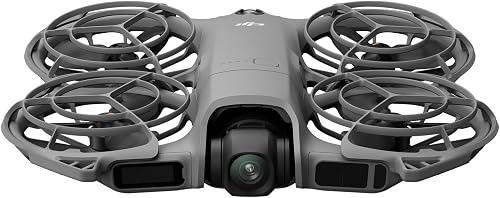 |  |  |  |  |  | 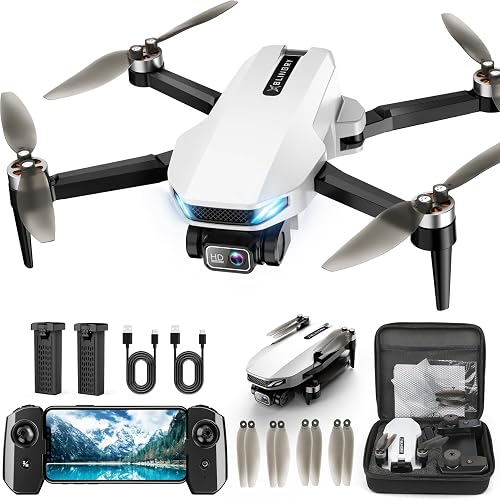 |
|---|---|---|---|---|---|---|---|---|---|---|
| Product | DJI Mini 4K | HOVERAir X1 | DJI Neo | DJI Neo 2 | Holy Stone HS175D | Ruko F11PRO 2 | N11 Pro GPS Drone | CHUBORY 4K Drone | Auto-Follow 4K Drone | GPS 4K Follow Drone |
| Brand | DJI | HOVERAir | DJI | DJI | Holy Stone | Ruko | NAFYRE | CHUBORY | REDRIE | BLINORY |
| Best for | Best Overall | Best Hands-Free Follow | Most Pocketable | Best Self-Flying Upgrade | Best Long-Range GPS | Best Camera Quality | Longest Flight Time | Best Control Range | Best Lightweight Tracker | Best Entry GPS Pick |
| The listing says | Under 249 g, no FAA registration or Remote ID needed 4K camera with 3-axis gimbal for stable footage | Follow-me tracking at up to 15 mph App supports Android 10.0+ and iOS 12.1+ | Weighs 135 g, no FAA registration or Remote ID Palm takeoff and landing, controller-free | Weighs 151 g, C0 certified with propeller guards Palm takeoff, landing, and gesture control | 4K video with 110° wide-angle lens 90° adjustable camera angle | 3-axis gimbal for smooth 4K/30fps video and 6K photos One-key takeoff/landing and Beginner Mode | Under 0.55 lbs, no FAA registration required Brushless motors with 3 batteries, up to 66 minutes flight | Control distance of 2,650 feet Brushless motors, 3 batteries, up to 84 minutes flight | 4K camera with 2-axis gimbal and 110° wide-angle lens 3 batteries for 50–60 minutes total flight time | 4K camera, 90° electrically adjustable, 5GHz FPV transmission GPS auto return on signal loss or low battery |
| More information | Check Latest Price on Amazon | Check Latest Price on Amazon | Check Latest Price on Amazon | Check Latest Price on Amazon | Check Latest Price on Amazon | Check Latest Price on Amazon | Check Latest Price on Amazon | Check Latest Price on Amazon | Check Latest Price on Amazon | Check Latest Price on Amazon |
1. DJI Mini 4K
Best for: a first drone you’ll fly on every hike
A hiking drone lives or dies on two things: weight and wind. At under 249 g, the DJI Mini 4K skips FAA registration and Remote ID for recreational use, which is exactly what you want when you’re crossing state lines on a trail trip. The listing says it holds stable flight in Level 5 winds (38 kph) with brushless motors, and takeoff works at altitudes up to 4,000 meters — relevant if your hikes climb. The 3-axis gimbal and 4K resolution are the reason the footage looks cinematic rather than phone-like, and the QuickShots modes (Helix, Dronie, Rocket, Circle, Boomerang) do the camera work for you.
Battery choice matters here: you pick a 1-, 2-, or 3-battery set covering 31, 62, or 93 minutes. For a full day out, the bigger sets make sense. One-tap takeoff, GPS Return to Home, and in-app learning make it genuinely beginner-friendly. One practical note from the listing: the DJI Fly app isn’t on Google Play, so you’ll download it from DJI’s own site. This isn’t the pick if you never want to touch controls — it’s a real drone you fly, not one that follows you on its own.
Good if:
- You want real 4K with a 3-axis gimbal
- You’ll fly in exposed, windy terrain
- You’re new and want GPS help built in
Skip it if:
- You want a drone that films you hands-free the whole hike
2. HOVERAir X1 Drone with Camera
Best for: solo hikers who never want a controller
The HOVERAir X1 is built around one idea: the drone is the cameraman, you’re the subject. Its follow-me tracking runs up to 15 mph, so it keeps pace with hiking, cycling, or running without any input. Pre-programmed paths — Hover, Follow, Zoom Out, Orbit, Bird’s Eye — mean you launch it and it flies itself; each battery covers about 20 intelligent flight paths, roughly 11 minutes. That’s the trade-off: short flights, but every second is spent filming, not fiddling.
Video tops out at 2.7K@30fps or 1080P HDR with a triple stabilization system, which trails the 4K picks here but suits social sharing fine. The fully enclosed design with safety guards is the real hiking advantage — you can fly it close to yourself, trees, and other people without the nerves an open-prop drone brings. Storage is 32GB internal, so no SD cards to lose on a trail. It’s not for anyone who wants long scenic flights or maximum image quality; it’s for the hiker who wants themselves in the shot, hands free.
Good if:
- You hike alone and want follow-me footage
- You fly near people, trees, or dogs
- You hate carrying a controller
Skip it if:
- You want long flight times or 4K video
3. DJI Neo
Best for: pocket-sized filming on day hikes
At 135 g, the DJI Neo may weigh less than your phone, and the listing suggests throwing it in a pocket — that’s the whole appeal for a hiker counting every ounce. It takes off from your palm with a button press, flies controller-free, and tracks you as a subject with eight QuickShots modes. Level-4 wind resistance and DJI stabilization keep 4K video smooth while you’re moving.
The full-coverage propeller guards are what make it a trail drone rather than a park drone: you can fly it through branches and tight spaces without much worry. Control is flexible — controller-free, voice, phone app, or an RC if you buy one later. The standard package includes a battery and propeller guards, ready to go with just your smartphone. Note it must be activated in the DJI Fly app, which you’ll download from DJI’s site, not Google Play. Choose this over the HOVERAir X1 if you want 4K and a lighter pack; choose the Mini 4K if you want longer flights and a proper controller out of the box.
Good if:
- Every gram in your pack counts
- You want palm takeoff on a narrow trail
- You fly near obstacles and people
Skip it if:
- You need long flight time per battery
4. DJI Neo 2 (Drone Only)
Best for: hands-free filming with real safety sensing
The DJI Neo 2 is the self-flying pick that adds a proper safety net. At 151 g with full-coverage propeller guards, it stays regulation-light and pocketable, but it adds omnidirectional obstacle sensing — the drone watches what’s around it, not just what’s below. On a forested trail, that’s the difference between trusting the tracking and holding your breath. Palm takeoff, gesture control, and SelfieShot let you run the whole shoot without a controller, and ActiveTrack keeps you framed while moving.
There’s one genuinely useful extra for hikers: Apple Watch support, so you can view the live feed, check flight status, or adjust tracking from your wrist without pulling out your phone. It shoots 4K and ships with a battery and propeller guards. Against the original Neo, this is the upgrade for anyone who’ll fly in cluttered terrain; against the HOVERAir X1, it’s the pick if obstacle sensing and 4K matter more than enclosed-prop simplicity. It’s not the drone for long scenic flights you pilot yourself — that’s the Mini 4K’s job.
Good if:
- You fly tracked shots on wooded trails
- You want gesture and palm control
- You wear an Apple Watch already
Skip it if:
- You want to pilot long manual flights
5. Holy Stone HS175D GPS Drone with 4K Camera
Best for: a first GPS drone with long airtime
The Holy Stone HS175D is the classic entry GPS drone: under 249 g, foldable, with a carrying case, and two batteries giving up to 46 minutes of flight. GPS auto return brings it home when the signal drops, it flies out of range, or the battery runs low — the feature that saves first-time pilots from walking down a mountainside after a lost drone. The 110° wide-angle 4K lens and a 90° adjustable camera angle let you frame landscapes or top-down shots without repositioning the whole drone.
The 5GHz FPV live view is smoother than basic WiFi transmission, which matters when you’re framing a valley shot while moving. Beginner aids — Altitude Hold, Optical Flow, Headless Mode, one-key takeoff and landing — keep it stable while you learn. Smart modes include Follow Me, Waypoint Flight, Point of Interest, and gesture control. Be honest with yourself about the trade: this is a foldable RC quadcopter, not a pocket drone, so it rides in the case in your pack rather than a jacket pocket. If you want the smallest possible package, look at the DJI Neo instead.
Good if:
- You want 46 minutes across two batteries
- You’re learning and want GPS return as a safety net
- You like waypoint and orbit flight modes
Skip it if:
- You want a drone that fits in a pocket
6. Ruko F11PRO 2 Drone with 6K Camera
Best for: big landscapes and long, steady flights
The Ruko F11PRO 2 is the heavyweight of this list in capability: a 3-axis mechanical gimbal, 4K/30fps video, 6K photos, and two intelligent batteries totaling 70 minutes of flight. That gimbal is the headline — it physically steadies the camera in wind, which is what separates smooth footage from shaky footage on exposed ridgelines. The listing claims a 10,000 ft transmission range with a stable digital connection, which suits wide-open terrain and distant viewpoints far better than a phone-tethered mini drone.
GPS auto return triggers on low battery, lost signal, or a button press. Smart modes cover GPS Follow, Waypoint Flight, Cruise Control, and Orbit. Takeoff is handled for you at the press of a button, and a dedicated Beginner Mode means you don’t need experience to start. The honest trade-off: this is a larger drone to carry, and the listing pitches it at ranches, road trips, and big landscapes rather than ultralight backpacking. If your hikes are short day loops and every ounce matters, a sub-250 g pick suits you better. If you drive to trailheads and want the best-looking, longest-flying option here, this is it.
Good if:
- You want 70 minutes of flight time
- You film wide, distant landscapes
- You want a real 3-axis gimbal
Skip it if:
- You count every gram in your pack
7. 4K UHD GPS Drone with Camera
Best for: flying all day on swappable spares
The NAFYRE N11 Pro’s pitch is simple: three batteries, up to 66 minutes of total flight, and no FAA registration needed at under 0.55 lbs. For a hiker who wants to fly at several stops along a trail without hunting for outlets, spare batteries are the feature that matters most, and this listing leads with them. Alloy brushless motors give quiet, wind-resistant flight, and a dual positioning system — optical flow indoors, GPS outdoors — keeps the hover steady for clean shots.
Auto return covers low battery and signal loss, and can also be triggered manually from the controller, while the 90° adjustable wide-angle lens streams live video to your phone or remote. Smart modes include Follow Me, Tap Fly, and Point of Interest. It’s a mid-sized GPS drone, so it’s a carrying-case drone rather than a pocket drone — the trade you accept for all that spare-battery airtime. This one sits sensibly in the middle.
Good if:
- You’ll fly at multiple stops on one hike
- You want GPS and optical flow both
- You prefer quiet brushless flight
Skip it if:
- You want a truly pocketable drone
8. CHUBORY 4K Drone with Camera
Best for: flying far and long from one spot
Two numbers define the CHUBORY: 2,650 feet of control range and up to 84 minutes of flight across three batteries. Both are the highest figures stated in this comparison, and both matter for a specific kind of hiker — the one who climbs to a viewpoint and wants to send the drone far across the valley for the big shot. Brushless motors with wind resistance, switchable front and bottom cameras (the bottom one feeds optical flow positioning), and a 120° wide-angle 4K lens round out the flying package.
The function list is long: altitude hold, FPV, automated takeoff and landing, follow me, trajectory flight, headless mode, gesture selfie, and more. It weighs under 249 g, so no registration is required, and the foldable design comes with a portable carrying case. There’s a one-year warranty and a permanent support guarantee, which is more backing than most listings here state. The trade is the same as the other full-size GPS drones: it’s a case-in-the-pack drone, not a pocket drone. If range is your priority, this is the one.
Good if:
- You want the longest stated control range
- 84 minutes of total flight appeals to you
- You want a one-year warranty behind you
Skip it if:
- You want minimal pack weight
9. Drones with Camera for Adults 4K
Best for: a light tracker with a real gimbal
The REDRIE HK33 splits the difference between the self-flying cameras and the full GPS drones: it’s under 250 g with no FAA registration needed, yet it carries a 2-axis gimbal to help reduce shaky footage. The F2.15 large-aperture, 110° wide-angle lens captures 4K photos and video, saved to a MicroSD card or your phone. A 90° remote-adjustable camera angle lets you tilt the view from the controller while flying.
GPS Follow handles the hands-free hiking shots, alongside route planning and fly-around modes. Transmission runs up to 300 m (985 ft) for video and 500 m (1,640 ft) for signal on 5G WiFi, with GPS auto return on low battery or lost signal. The included spare batteries stretch total flight to 50–60 minutes, and the foldable body ships with a carrying case. Against the HOVERAir X1, this gives you longer flight time, 4K, and a gimbal, but it’s a flown drone with follow modes rather than a fully enclosed self-flying camera. If you want enclosed-prop safety near people, the HOVERAir wins; if you want range and airtime, this does.
Good if:
- You want a gimbal under 250 g
- You’ll use follow mode on the trail
- Three batteries suit a long day out
Skip it if:
- You want fully enclosed propellers
10. Drones with Camera for Adults 4K
Best for: a first GPS drone that’s easy to carry
The BLINORY HK55 is the straightforward entry point: under 250 g, foldable, with a dedicated storage case, GPS auto return, and follow-me modes aimed squarely at hiking, camping, and climbing. The 4K camera is 90° electrically adjustable with built-in shock absorption, and 5GHz FPV keeps the live feed stable. Photos and videos save straight to your phone through the app, which makes trailside sharing simple.
GPS return triggers on lost signal, out-of-range, or low power, and the app can show the drone’s location on a map — a genuinely reassuring feature for a nervous first flight. Two modular batteries give 32 minutes total, brushless motors keep flight smooth and quiet, and one-button takeoff, headless mode, and two speed settings ease the learning curve. Heavy flying sessions will mean recharging midday. If airtime is your top priority, look at the N11 Pro or CHUBORY; if you want the simplest well-protected first drone, this fits.
Good if:
- You’re buying your very first drone
- You want find-my-drone map location
- A storage case matters for packing
Skip it if:
- You need maximum total flight time
Where These Overlap
Several of these are close enough that the choice barely matters. The Holy Stone HS175D, N11 Pro, and GPS 4K Follow Drone all do the same job — sub-250 g GPS drones with follow modes, auto return, and brushless motors — and you’d decide between them on flight time (46, 66, and 32 minutes respectively) and how much you value the case and app features each listing describes. The CHUBORY and Ruko F11PRO 2 overlap on long flight and long range, but the Ruko’s 3-axis gimbal and 10,000 ft transmission put it a clear step up for image quality; the CHUBORY’s edge is 2,650 feet of stated range in a lighter foldable body.
The genuinely different products are the four DJI and HOVERAir self-flying models. The DJI Mini 4K is a flown drone; the Neo, Neo 2, and HOVERAir X1 film you without one. Between those, obstacle sensing (Neo 2), weight (Neo), and enclosed design (HOVERAir) are what separate them — pick on where you’ll fly, not on a spec sheet.
Also worth considering: the GPS Drone EIS Camera adds a 4.5-inch screen on the controller, 90 minutes across three batteries, and a stated 3,280 ft control range — a strong pick if you’d rather not use your phone as a display. The Drone Camera is a similar screened-controller GPS drone with 60 minutes of flight, under 249 g, aimed at beginners. The MSMV Camera Drone is a small FPV drone with a carry bag, dual 4K cameras with a 90° adjustable lens, and two batteries — lighter on smart modes, but simple and portable for a first flyer.
Still Not Sure?
How often will I actually fly this thing?
Be honest about the habit before you buy. If you’ll fly once at the summit for a photo, a two- or three-battery GPS drone like the Holy Stone HS175D gives you spare airtime without you noticing the weight. If you’ll film yourself constantly through the whole hike — every ridge, every crossing — a self-flying tracker matters more than total minutes, and the DJI Neo’s pocketability means you’ll actually bring it every time. The drone you carry happily is the one that gets flown.
What do I already own that this has to work with?
This matters more than most buyers expect. The DJI Mini 4K and DJI Neo both need the DJI Fly app, which isn’t on Google Play — you’ll download it from DJI’s site, fine on either platform. The HOVERAir X1 needs Android 10.0+ or iOS 12.1+, and the DJI Neo 2 is the only one here that works with an Apple Watch. If your phone is older, check those version numbers first. If you’d rather not use a phone at all, a screened controller pick like the GPS Drone EIS Camera removes the dependency entirely.
What am I most likely to regret choosing?
The common regret runs in both directions. Fly-it-yourself buyers regret buying a follow-only camera when they wanted to pilot scenic flights — the HOVERAir X1 can’t be that drone. Hands-free buyers regret an open-prop drone they’re scared to launch near trees; that’s exactly what the DJI Neo 2’s obstacle sensing and full-coverage guards exist for. Decide which flyer you’re before you compare anything else, then let that pick the drone — the DJI Mini 4K for pilots, the Neo 2 for the filmed.
The trail will tell you which drone you need. If you drive to your hikes and want the longest, steadiest, best-looking flights, the Ruko F11PRO 2 is the one to check first. If you count ounces and want the drone gone from your mind until you need it, the DJI Neo is the one that disappears into a pocket. Both buttons take you straight to Amazon, where today’s availability and current listing details are always live — that’s the next step.
Frequently Asked Questions
Do I need to register a hiking drone with the FAA?
All but one of the drones here weigh under 250 g, so none require FAA registration or Remote ID for recreational use — that includes the DJI Mini 4K, DJI Neo, DJI Neo 2, Holy Stone HS175D, CHUBORY, REDRIE, and BLINORY. The Ruko F11PRO 2’s listing doesn’t state a weight under that threshold, so check before flying it. Confirm current requirements on the FAA’s drone registration page before your first flight.
Which portable drone has the longest flight time for hiking?
The CHUBORY 4K Drone states the highest figure here: up to 84 minutes across its three batteries. The Ruko F11PRO 2 follows with 70 minutes from two batteries, then the N11 Pro GPS Drone at 66 minutes from three. Among the pocket-sized self-flying picks, the DJI Mini 4K runs 31 minutes per battery. Buy spare batteries or pick a multi-battery set if airtime drives your decision.
Can a drone follow me on a hike without a controller?
Yes — the HOVERAir X1, DJI Neo, and DJI Neo 2 all track you with no controller at all, using palm takeoff and app or gesture control. The HOVERAir X1 tracks at up to 15 mph and runs pre-programmed paths like Follow and Orbit. The GPS drones here, including the Holy Stone HS175D and BLINORY HK55, also offer Follow Me modes, but they’re designed to be flown with a remote alongside that feature.
Will a mini drone handle wind on a mountain trail?
The listings differ on this. The DJI Mini 4K states the strongest claim: stable flight in Level 5 winds, up to 38 kph, with takeoff at altitudes up to 4,000 meters. The DJI Neo states level-4 wind resistance. The CHUBORY, N11 Pro, and Ruko F11PRO 2 all cite brushless motors with wind resistance but give no wind-level figure, so check the forecast either way.
Conclusion
Before your next hike, take your drone out on a short local walk first. You’ll learn how it handles wind, how long the battery really lasts, and whether it fits your pack comfortably — all without risking a crash in a place you can’t easily reach. Once that feels easy, you’re ready for the trail.


