
Have you ever dreamed of flying your very own remote-controlled plane but thought it was too complicated or expensive? What if you could build one yourself using simple cardboard and a few basic tools?
Making an RC plane with cardboard is not only affordable but also a fun and rewarding project that lets you learn the basics of aerodynamics and electronics. In this guide, you’ll discover step-by-step how to create a lightweight, flyable RC plane that you can control with ease.
Ready to turn your creativity into flight? Keep reading, and by the end, you’ll have all the tips and tricks to build your very own cardboard RC plane that’s ready to soar!
You May Like

- 𝐃𝐈𝐘 𝐑𝐂 𝐏𝐚𝐩𝐞𝐫 𝐏𝐥𝐚𝐧𝐞 – Fold a…
- 𝐒𝐮𝐩𝐞𝐫 𝐄𝐚𝐬𝐲 𝐭𝐨 𝐅𝐥𝐲 – Built-in…
- 𝐒𝐓𝐄𝐌 𝐊𝐢𝐭 𝐭𝐨 𝐒𝐢𝐦𝐮𝐥𝐚𝐭𝐞…
- 𝟐.𝟒𝐆𝐇𝐳 𝐑𝐚𝐝𝐢𝐨 𝐂𝐨𝐧𝐭𝐫𝐨𝐥 -…

- EASY TO FLY: RC plane built-in 6-axis gyroscope automatic stabilization…
- DURABLE DESIGN: Remote control plane construction with advanced EPP…
- 2.4GHZ RADIO CONTROL SYSTEM: The controller can control the airplane in 4…
- MORE POWER & MORE FLIGHT TIME: Two motors deliver an abundance of power…
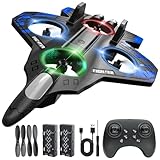
- Easy & Fun Remote Control Airplanes: Perfect for kids and beginners, This…
- Easy to Fly & Beginner Friendly: This RC Airplane features one-key…
- Stunning LED Light: With dazzling multi-color LED lights, it soars through…
- Durable & Lightweight Foam Design: This remote control airplane features a…

- Easy to Fly: This foam rc plane is powered by dual high-power coreless…
- Stunning Design and Thrilling Stunts: Realistic G1 fighter design provides…
- Two Speed Modes: Beginners can ease into flying with the low – speed…
- 2.4GHz Radio Control System and Extended Flight: Equipped with two high -…

- Two Take-off Modes & Aerial Stunts: Manual take-off and taxi take-off…
- Durable Lightweight Epp Foam & Precision Stability With 6-Axis Gyroscope:…
- LED Light: Equipped with bright LED lights, the rc airplane for adults kids…
- Extended Flight with Dual Batteries:Equipped with two built-in motors to…

Credit: www.youtube.com
Materials Needed
Gathering the right materials is the first step in making an RC plane with cardboard. Each item plays a key role in building a strong, functional model. Using the correct materials ensures your plane will fly well and last longer.
Cardboard Selection
Choose lightweight but sturdy cardboard for the plane’s body. Corrugated cardboard works well due to its strength. Avoid very thin or soft cardboard as it can bend easily. Look for flat sheets without creases or damage. Good cardboard helps maintain shape during flight.
Electronics Components
You need basic electronics to control the plane. A small electric motor provides thrust. Use a lightweight battery to power the motor and electronics. Include a receiver to get signals from the remote controller. Servos help move the control surfaces like the rudder and elevator. Wires and connectors link these parts together.
Tools Required
Prepare simple tools for cutting and assembling. A sharp utility knife or box cutter works well on cardboard. Use a ruler or measuring tape for accuracy. Hot glue or strong adhesive helps hold parts in place. Small screwdrivers assist in fixing electronics. Sandpaper smooths rough edges for better fit and finish.
Designing The Plane
Designing the plane is the first step to a successful RC cardboard build. It sets the foundation for how your plane will look and fly. Good design helps balance weight, strength, and aerodynamics. Start by planning carefully and following simple steps.
Choosing A Model
Select a simple plane model to begin with. A basic glider or a small trainer plane works best. These shapes are easier to cut and assemble from cardboard. Avoid complex or large designs that need advanced skills.
Look for models with clear instructions or templates online. Pick one that matches your skill and tools. Keep the design light for better flight and control.
Creating The Template
Use paper or thin cardboard to make a template of your plane parts. Draw the wings, fuselage, tail, and control surfaces on paper first. Check the proportions and sizes carefully.
Cut out the paper templates and test fit them together. Adjust shapes if needed. Once happy, transfer these outlines to your cardboard sheets. Templates help cut parts accurately and reduce mistakes.
Marking The Cardboard
Place the templates flat on the cardboard surface. Use a pencil to trace around each piece clearly. Mark control surface edges and fold lines if any.
Double-check your markings before cutting. Precise marking ensures clean cuts and proper alignment. Keep all pieces organized for easy assembly later.
Cutting And Shaping
Cutting and shaping are crucial steps in building a sturdy RC plane from cardboard. Precise cuts ensure the plane’s parts fit well and fly smoothly. Shaping the control surfaces right allows better maneuverability during flight. Reinforcing weak areas with extra cardboard keeps the structure strong and durable.
Cutting Wings And Fuselage
Start by drawing the wing and fuselage outlines on cardboard sheets. Use a sharp utility knife for clean, straight cuts. Cut slowly to avoid rough edges and bends. Wings should be symmetrical for balanced flight. The fuselage must be sturdy and straight to hold all parts firmly. Keep all pieces flat and smooth after cutting.
Shaping Control Surfaces
Control surfaces include ailerons, elevators, and rudders. Cut these parts carefully along the drawn lines. Leave small gaps to allow movement after assembly. Slightly curve or bend edges to improve airflow. Test the movement by gently pushing the control surfaces. Smooth any rough edges to prevent damage during flight.
Reinforcing With Additional Cardboard
Add extra cardboard strips to wings and fuselage edges for strength. Glue these reinforcements along weak or thin areas. Reinforced parts resist bending and breaking during use. Use thin cardboard pieces for a lightweight but strong frame. Ensure all reinforcements are firmly attached and dry before continuing assembly.
Assembling The Frame
Building the frame is a key step in making your RC plane with cardboard. A strong frame holds all parts together. It shapes the plane’s body and wings. Precise assembly ensures good flight balance and control. Follow clear steps to join parts securely.
Gluing Main Parts
Start by gluing the fuselage and wings. Use a strong craft glue or hot glue for quick hold. Apply glue evenly along edges. Press parts firmly and hold for a few seconds. Make sure parts align straight to keep balance. Let the glue dry fully before moving on.
Adding Structural Support
Add cardboard strips inside the frame for extra strength. Place them along the wings and body. These strips prevent bending and breaking during flight. Cut strips to fit snugly without gaps. Glue strips firmly in place to reinforce the frame.
Securing Joints With Tape
Use strong tape on all joints for added security. Wrap tape around wing roots and fuselage edges. Tape helps keep glued parts from separating. Choose tape that sticks well to cardboard, like packing tape. Smooth tape to avoid air resistance during flight.
Installing Electronics
Installing the electronics is a key step in building your cardboard RC plane. This stage brings your plane to life by allowing control over its movements. Proper placement and secure mounting ensure smooth operation and flight stability.
Take care to align parts correctly and secure them firmly. Loose or misplaced components can cause poor control or damage. Use the right tools and materials to attach electronics safely to the cardboard structure.
Mounting The Motor
Start by selecting a strong spot at the plane’s nose for the motor. Use a small wooden or plastic mount to hold the motor steady. Attach the mount securely to the cardboard with glue or tape. Connect the propeller to the motor shaft carefully. Make sure the motor wires can reach the electronic speed controller without strain.
Placing Servos And Receiver
Place the servos inside the fuselage near the control surfaces. Use double-sided tape or small screws to fix the servos in place. Position the receiver where it will get a clear signal from the transmitter. Avoid placing the receiver too close to the motor to reduce interference. Secure all wires neatly to prevent them from snagging during flight.
Connecting Pushrods And Control Horns
Attach the control horns firmly to the rudder and elevator surfaces. Connect pushrods from the servo arms to the control horns. Adjust pushrod lengths to allow full movement without binding. Use small clips or glue to keep pushrods in place. Test the control surfaces by moving the transmitter sticks to ensure they respond smoothly and fully.

Credit: www.instructables.com
Balancing And Testing
Balancing and testing are crucial steps in making a cardboard RC plane fly well. Proper balance ensures the plane glides smoothly. Testing the controls confirms the plane responds correctly to your commands. These steps help avoid crashes and improve flight stability.
Checking Center Of Gravity
Find the plane’s center of gravity (CG) by balancing it on your finger. The CG should be near the wing’s center. If the nose tips down, add small weights to the tail. If the tail drops, add weight to the nose. Adjust until the plane balances horizontally and does not tip.
Testing Control Surface Movement
Turn on the transmitter and receiver. Move the sticks to check the ailerons, elevator, and rudder. Each surface should move smoothly and in the correct direction. Small, precise movements improve control. Fix any lagging or reversed surfaces before flight.
Adjusting Linkages
Check the pushrods connecting servos to control surfaces. They should be tight but not stuck. Adjust the length to center the control surfaces when the transmitter sticks are neutral. Use small screws or clips to secure linkages firmly. Proper adjustment avoids control issues in the air.
Flying Tips
Flying your cardboard RC plane is exciting and fun. Good flying skills help you enjoy each flight. Follow simple tips to keep your plane steady and safe. These tips include where to launch, how to launch, trimming for balance, and landing well. Each step makes a difference in your flying experience.
Choosing A Launch Site
Pick a large open area free from trees and buildings. Grass fields or parks work best. Avoid places with strong winds or many obstacles. Smooth surfaces help if you need to take off from the ground. Clear space lowers the risk of crashes and damage.
Launching Techniques
Hold your plane gently but firmly. Face the nose slightly upward for lift. Throw with a smooth, steady motion. Avoid too much force or a steep angle. Practice a few times to find the best throw strength and angle.
Trimming For Stable Flight
Watch how your plane flies after launch. If it veers left or right, adjust the control surfaces slightly. Bend the rudder or elevator gently to correct direction. Small changes can improve balance. Test and trim until the flight is smooth and straight.
Landing Safely
Plan your landing area before you fly. Slow your plane by reducing throttle early. Gently lower the nose to descend. Aim for a soft, flat spot to avoid crashes. Use your controls to keep the plane steady during landing.

Credit: www.instructables.com
Troubleshooting Common Issues
Troubleshooting common problems helps keep your cardboard RC plane flying well. Many beginners face issues that can stop the plane from working correctly. Fixing these problems early saves time and frustration. Below are some frequent issues and how to solve them.
Servo Overload
Servo overload happens when the servo motor tries to move too much weight. Cardboard parts can be heavy or stuck, causing strain on servos. Use lighter cardboard or cut control surfaces smaller to reduce load. Check that pushrods and hinges move smoothly without binding. Apply less glue near moving parts to avoid stiffness. Use a servo with enough power for your plane’s size.
Structural Weakness
Cardboard is easy to bend or break. Weak spots make the plane fragile during flights. Add extra layers of cardboard at stress points like wing roots and fuselage joints. Reinforce with tape or glue strips inside the plane. Avoid large gaps between parts that reduce strength. Test the plane’s structure before flying by gently pressing areas to check stiffness.
Flight Instability
Unstable flight causes wobbling, spinning, or crashing. Check the center of gravity by balancing the plane on your finger. Add small weights to the nose or tail if needed. Ensure control surfaces like ailerons and elevator are aligned and move correctly. Tighten all screws and connections to prevent loose parts. Adjust trim settings on your remote to improve smooth flying.
Frequently Asked Questions
Can You Make An Rc Plane Out Of Cardboard?
Yes, you can make an RC plane from cardboard by cutting, assembling, and reinforcing it properly. Use lightweight electronics and ensure balanced control surfaces for smooth flight.
How To Build A Rc Plane For Beginners?
Start with foam board for durability and easy cutting. Cut wings and fuselage shapes. Attach servos, motor, receiver, and control surfaces. Use hot glue and tape for assembly. Check control linkages and balance the plane. Test fly in an open field, trimming controls for smooth flight.
Are Rc Planes Illegal?
RC planes are legal in most areas if flown responsibly and follow local regulations. Avoid restricted zones and maintain line of sight. Register larger models when required by law to ensure compliance. Always check specific country or state rules before flying.
How To Make A Simple Airplane Out Of Cardboard?
Cut cardboard into wings, fuselage, and tail shapes. Use glue to assemble parts. Add a propeller and balance the plane. Decorate as desired.
Conclusion
Building an RC plane with cardboard is fun and affordable. It helps you learn basic aerodynamics and electronics. Using simple tools and materials, you can create a flying model at home. Take your time to cut and assemble each part carefully.
Testing and adjusting controls improve your plane’s flight. Enjoy the process and keep practicing for better results. Cardboard planes are a great start for beginners interested in RC flying. Keep experimenting and have fun with your new hobby.


