
Have you ever dreamed of flying your very own RC plane, built with your own hands right at home? Making an RC plane might sound complicated, but with the right guidance, you can create a fun, flying model without needing expensive tools or advanced skills.
Whether you want a relaxing hobby or a cool project to impress your friends, this step-by-step guide will help you turn simple materials into a soaring RC aircraft. Ready to take off? Keep reading and discover how easy and rewarding it can be to build your own RC plane from scratch!

- 𝐁𝐚𝐥𝐚𝐧𝐜𝐞 𝐒𝐲𝐬𝐭𝐞𝐦 𝐄𝐚𝐬𝐲…
- 𝐃𝐮𝐚𝐥 𝐌𝐨𝐭𝐨𝐫𝐬 & 𝟐…
- 𝐒𝐥𝐢𝐝𝐞 𝐓𝐚𝐤𝐞-𝐨𝐟𝐟 & 𝐓𝐡𝐫𝐨𝐰…
- 𝐃𝐮𝐫𝐚𝐛𝐥𝐞 𝐄𝐩𝐩 𝐌𝐚𝐭𝐞𝐫𝐢𝐚𝐥…

- Easy & Safe to Fly – Built-in gyro stabilization system makes this…
- Extended Flight Fun – Includes 2 rechargeable batteries providing 30+…
- Crash-Resistant Design – Lightweight EPP foam construction survives impacts…
- Complete Gift Package – Arrives fully assembled in gift-ready packaging….
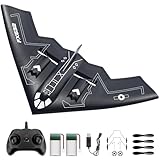
- Cool & Realistic Appearance: Our B-2 remote control airplane is accurately…
- User-Friendly Design, the Perfect Choice for Beginners: This B2 RC airplane…
- Excellent Flying Experience: Our 2CH RC airplane is designed with an…
- Extended Flight Enjoyment: Built-in two high-efficiency batteries bring you…
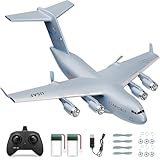
- Cool & Realistic Appearance: Our C17 RC airplane is accurately reproduced…
- Perfect for Beginners: AIGIMU Globemaster III RC plane is designed with the…
- Excellent Flying Experience: Our C-17 remote control airplane is designed…
- 40+Min Flight Time & 2.4 Ghz Radio System: Built-in two high-efficiency…

Credit: kdfoundation.org
Materials And Tools
Gathering the right materials and tools is the first step to build an RC plane at home. Using quality supplies ensures your model is strong and flies well. Having the correct tools makes assembly easier and faster.
Preparation saves time and prevents frustration during the building process. Here is a clear list of what you need to start your project.
Essential Supplies
- Balsa wood sheets – lightweight and easy to cut
- Foam board – good for wings and body parts
- Electric motor – powers the plane
- Propeller – attached to the motor for thrust
- Electronic speed controller (ESC) – controls motor speed
- Radio receiver – receives signals from the remote
- Transmitter (remote control) – to control the plane
- Servos – move the control surfaces like rudder and elevator
- Battery pack (LiPo recommended) – powers the electronics
- Adhesives – such as CA glue and epoxy for strong bonds
- Covering film or paint – for finishing and protection
- Control rods and hinges – for connecting and moving parts
Required Tools
- Sharp hobby knife – for precise cutting
- Cutting mat – protects surfaces and helps measure
- Ruler or straight edge – for accurate lines
- Small screwdriver set – for assembling electronics
- Soldering iron – for wiring connections
- Needle-nose pliers – for bending and holding parts
- Sandpaper or sanding block – smooths edges and surfaces
- Pin vise or small drill – to make holes
- Clamps or clothespins – to hold parts while glue dries
- Heat gun or iron – to apply covering film
Designing Your Rc Plane
Designing your RC plane is an exciting part of the building process. This stage shapes how your plane will look and fly. Careful design ensures your RC plane is both fun and easy to control. Understanding some basics will help you create a successful model. Focus on the right plan, basic aerodynamics, and size before you start building.
Choosing A Plan Or Kit
Start by deciding if you want a plan or a kit. Plans give you full control to create parts yourself. Kits come with pre-cut pieces and instructions. Kits are easier for beginners and save time. Plans offer more freedom but need more skill and tools. Choose a design that matches your skill level and goals.
Basic Aerodynamics
Learn simple aerodynamics to help your plane fly well. Wings create lift, which keeps the plane in the air. The shape and size of wings affect stability and speed. The tail helps steer and balance the plane. Make sure your design has a good wing shape and tail size for smooth flight.
Selecting Size And Scale
Pick the right size based on your space and skill. Smaller planes are easier to control and store. Bigger planes may fly better but need more skill. Scale affects how realistic your model looks. Balance size with your flying experience and storage space.
Building The Frame
Building the frame is the first major step in making an RC plane at home. The frame forms the plane’s basic shape and holds all parts together. A strong, lightweight frame helps the plane fly better and last longer.
Focus on accuracy and care during this stage. Use simple tools and materials like balsa wood or foam. Take time to prepare each part before assembly.
Cutting And Shaping Parts
Start by cutting the wood or foam into the required shapes. Use a sharp hobby knife or small saw for clean cuts. Follow your plan or template carefully to get the right sizes.
Shape edges smooth with sandpaper. Rounded edges reduce air resistance and improve flight. Mark all parts clearly to avoid confusion during assembly.
Assembling Wings And Fuselage
Attach the wing parts first by gluing or pinning them together. Make sure the wings are symmetrical and flat. Next, join the wings to the fuselage, the plane’s body.
Check alignment often. A crooked frame will cause the plane to fly poorly. Use clamps or tape to hold parts in place while glue dries.
Reinforcing Structure
Add small supports or braces inside the frame to strengthen weak points. Use thin strips of wood or carbon fiber rods. Reinforcements prevent bending or breaking during flight.
Focus on joints and connection areas. Strong joints make the plane more durable. Avoid adding too much weight; keep the frame light for better flying.

Credit: www.youtube.com
Installing Electronics
Installing electronics is a key step in building your RC plane at home. This process brings your model to life by enabling control and movement. Proper installation ensures smooth flight and responsiveness. Focus on selecting the right components and connecting them carefully. This section covers motors, servos, wiring, and power setup. Follow these guidelines for a successful build.
Selecting Motors And Servos
Choose motors that fit your plane’s size and weight. Brushless motors offer good power and efficiency. Servos control the plane’s control surfaces like rudder and elevator. Pick servos with enough torque to move these parts easily. Match servo size to your plane’s scale for best results. Quality motors and servos improve flight stability.
Wiring The Receiver
The receiver is the brain of your RC plane. Connect the receiver to the servos and motor speed controller. Use clean, secure solder joints or connectors to avoid loose wires. Keep wiring neat to prevent interference or damage. Test each connection before final assembly. Proper wiring ensures reliable signal control.
Battery And Power Setup
Select a battery that provides enough voltage and capacity for your motor. Lithium polymer (LiPo) batteries are popular for RC planes. Secure the battery in a place that keeps the plane balanced. Use a proper power switch or connector for safety. Always check battery health before flying. Good power setup extends flight time and protects electronics.
Finishing Touches
Finishing touches give your RC plane a professional and polished look. These final steps improve flight performance and visual appeal. Pay close attention to details for better control and durability.
Painting And Decorating
Choose lightweight paint to avoid adding extra weight. Use spray paint or airbrush for smooth, even coats. Add colors and patterns that make your plane easy to see in the sky. Avoid thick layers that can slow the plane down.
Apply decals or stickers for a custom look. Seal the paint with a clear coat for protection. Let each layer dry completely before moving to the next step.
Balancing The Plane
Check the center of gravity (CG) by balancing the plane on your finger. The CG should be near the wing’s front third. Adjust weight by adding small pieces of tape or clay inside the nose or tail.
Proper balance ensures stable and smooth flight. Test balance before flying to prevent crashes. Make small adjustments until the plane feels steady.
Adding Control Surfaces
Attach ailerons, elevators, and rudders to control the plane’s movement. Use lightweight hinges or tape for smooth motion. Connect control surfaces to servos with pushrods or control horns.
Test each control surface by moving the transmitter sticks. Ensure they move freely and return to center. Proper control surfaces give you full command of the plane during flight.
Pre-flight Checks
Before flying your homemade RC plane, conducting thorough pre-flight checks is essential. These checks ensure your plane operates correctly and safely. They help avoid crashes and damage. Taking time for these steps improves your flying experience and keeps your plane in good condition.
Testing Controls
Start by turning on your transmitter and receiver. Move each control stick slowly. Check if the plane’s control surfaces respond correctly. The rudder, elevator, and ailerons should move smoothly. Make sure no controls are stuck or slow. Verify the throttle works and the motor starts and stops as expected.
Range And Signal Tests
Walk away from the plane while holding the transmitter. Check if the plane still responds to control inputs at a distance. This tests the signal strength and range. Ensure there are no signal drops or interference. Test in an open area to get accurate results. A strong signal prevents loss of control during flight.
Safety Precautions
Always keep the propeller clear when testing controls. Wear safety glasses to protect your eyes from debris. Keep bystanders at a safe distance. Check the battery voltage and secure battery connections. Avoid flying near people, animals, or obstacles. Safe practices reduce risks and protect everyone around you.
Flying Your Rc Plane
Flying your RC plane for the first time is an exciting moment. It brings your hard work to life. This step requires patience and focus. The right approach makes flying fun and safe. Prepare well to enjoy smooth flights and steady control. Practice often to boost your confidence and skill.
First Flight Tips
Choose a clear, open space free of obstacles. Check the battery is fully charged and controls respond well. Start with gentle, slow movements to test the plane’s reactions. Keep the plane low and close to the ground. Avoid windy days to prevent loss of control. Have a helper watch for any issues during flight.
Handling Common Issues
If the plane veers off course, adjust the trim controls slightly. Watch for signs of low battery or weak signal. Fix loose parts or damaged components before flying again. Practice calm landings to avoid crashes. Keep a repair kit handy for quick fixes. Regularly inspect the plane for wear and tear.
Improving Flight Skills
Fly regularly to build muscle memory and control. Try different flight patterns like circles and figure-eights. Gradually increase flight speed and altitude. Learn to handle turns and stalls with steady control. Record your flights to spot areas for improvement. Join local RC flying clubs for tips and practice sessions.
Legal And Safety Guidelines
Building an RC plane at home is fun and rewarding. Before starting, understanding legal and safety rules is vital. These rules protect you, others, and ensure smooth flying. Follow guidelines set by authorities to keep your hobby safe and legal. This section explains key rules you must know.
Faa Regulations Overview
The Federal Aviation Administration (FAA) controls RC aircraft use in the U.S. RC planes under 55 pounds fall under FAA rules. You must fly below 400 feet and keep the plane within sight. Avoid flying near airports or crowded places. Respect no-fly zones to prevent accidents and legal problems. Always check the latest FAA guidelines before flying.
Registration Requirements
RC planes weighing more than 0.55 pounds need FAA registration. Register online quickly on the FAA website. Display your registration number on the plane clearly. Registration helps authorities track aircraft and ensures responsible flying. Keep your registration details updated to avoid fines or penalties.
Community Resources
Many clubs and groups support RC plane builders and flyers. Join local RC clubs to learn from experts and make friends. Clubs offer safe flying areas and organize events. Visit websites like the Academy of Model Aeronautics (AMA) for rules and training. These resources help beginners stay safe and enjoy the hobby fully.
Cost Considerations
Building an RC plane at home is exciting but requires planning for costs. Understanding cost factors helps you manage your budget better. It also avoids surprise expenses during the project. This section breaks down key cost considerations.
Budgeting Materials
Materials form the core of your expenses. Common items include balsa wood, glue, motors, and electronics. Prices vary depending on quality and brand. Buying in small quantities may cost more per unit. Plan the quantity carefully to reduce waste. Some hobby shops offer discount bundles for beginners.
Comparing Kits And Diy
RC plane kits come with pre-cut parts and instructions. They often cost more upfront but save time and effort. Building from scratch is cheaper but takes more skill. You must source all materials separately when DIY. Kits ensure all parts fit well and work together. DIY allows customization but may lead to trial and error costs.
Maintenance Expenses
RC planes need regular upkeep for long life. Spare parts like propellers and batteries wear out over time. Repairs may include fixing wings or electronics. Keeping extra parts on hand avoids delays in flying. Maintenance costs can add up, so budget for them. Proper care reduces the chance of expensive damage.

Credit: www.youtube.com
Best Rc Planes For Beginners
Choosing the best RC plane for beginners is key to a great start. A good beginner model offers easy handling, durability, and simple controls. These planes help new pilots enjoy flying without frustration. Starting with the right plane builds confidence and skills quickly. Here are some top choices and tips for beginners to get flying fast.
Top Starter Models
The HobbyZone Sport Cub S is perfect for new pilots. It has a stable design and slow flying speed. The E-flite Apprentice S 15e offers a larger size and easy controls. The Flyzone Sensei FS is lightweight and easy to repair. These models come ready to fly or in simple kits. They include safety features to protect the plane and pilot.
Key Features To Look For
Look for planes with strong foam bodies. Foam absorbs crashes well and is lightweight. A good beginner plane has a high wing design for stability. Choose models with simple, easy-to-use remote controls. Auto-leveling and beginner flight modes help keep the plane steady. Battery life should be long enough for 10 to 15 minutes of flight. Easy repair parts and clear instructions save time and money.
Tips For New Pilots
Practice flying in open, calm areas with little wind. Learn to control the plane slowly and smoothly. Use beginner modes on the remote control at first. Keep the plane within sight and avoid flying too high. Watch tutorial videos to understand basic flying skills. Always check the plane before each flight for damage. Patience and practice lead to better flying and more fun.
Frequently Asked Questions
How To Make An Rc Plane At Home Step By Step?
Gather materials: foam, motor, battery, servos, and remote. Cut and shape foam into wings and fuselage. Assemble parts securely. Install electronics: motor, servos, receiver. Connect controls and test functionality. Balance the plane properly. Charge battery and perform a test flight in an open area.
How Much Does It Cost To Build Your Own Rc Plane?
Building an RC plane costs between $50 and $300, depending on materials, electronics, and complexity. Basic kits start around $50. Advanced models with quality motors and controls can reach $300 or more. Budget for batteries, transmitters, and tools when planning your build.
Is It Legal To Build Your Own Plane?
Building your own plane is legal if you follow FAA rules. You must build the major portion yourself, register it, and get an airworthiness certificate. The Experimental Aircraft Association (EAA) offers resources and support for amateur builders. Compliance ensures safe, legal operation of homebuilt aircraft.
What Is The Best Rc Plane For Beginners?
The best RC plane for beginners is the Horizon Hobby Apprentice S. It offers SAFE technology, stability, and easy control. The HobbyZone AeroScout also excels with durable design and nose-dive protection. Both come ready-to-fly, ideal for new pilots learning to fly confidently.
Conclusion
Building an RC plane at home can be fun and rewarding. It teaches you patience and basic engineering skills. Start with simple designs and gather the right materials. Take your time assembling each part carefully. Test your plane in open spaces for best results.
Keep learning from each flight to improve your model. Enjoy the process and share your experience with others. Making your own RC plane brings pride and joy.


