
Looking to take your RC flying skills to the next level without risking your expensive gear? You’re in the right place.
The best RC simulators let you practice anytime, anywhere, giving you the confidence to master every maneuver before you even touch a real controller. Whether you’re a beginner eager to learn the basics or an experienced pilot aiming to sharpen your skills, finding the perfect RC simulator can make all the difference.
In this guide, you’ll discover top simulators that combine realism, ease of use, and great value—helping you fly smarter, safer, and better than ever before. Ready to find your ideal RC simulator? Let’s dive in.

- A fresh and modern user interface that’s even easier and more intuitive…
- More than a dozen of the newest and most popular ultra micro, sport, scale,…
- Fly at the newest PhotoField – the main flying site from Triple Tree…
- More than 100 additional aircraft plus dozens of 3D fields and PhotoFields…

- A fresh and modern user interface that’s even easier and more intuitive…
- More than a dozen of the newest and most popular ultra micro, sport, scale,…
- Fly at the newest PhotoField – the main flying site from Triple Tree…
- More than 100 additional aircraft plus dozens of 3D fields and PhotoFields…

- Quick and easy wireless control for compatible games and RC flight…
- Integrated bind button wirelessly connects any Spektrum DSMX/DSM2 RC…
- Orange LED light glows solid when binding process is complete
- Optimized for real flight 8.0 and up. Compatible with DRL simulator,…
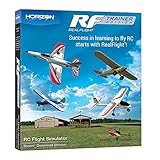
- The perfect tool new RC pilots can use to learn to fly successfully in less…
- Industry-leading True-To-Life physics that make every flight more lifelike…
- A simple and intuitive interface for zero learning curve, zero hassle, and…
- Fly 5 of the most popular airplanes and 1 helicopter from the Best Brands…
- Very realistic RC simulator
- Real RC planes, helicopter and boats
- Many different real flying fiedls
- Interactive objects for advanced helicopter training
Top Rc Simulators
RC simulators offer a safe and cost-effective way to practice flying. They help improve skills without risking real equipment. Many options exist, each with unique features and focus areas. Choosing the right simulator depends on your needs and skill level.
Here are some of the best RC simulators that offer realistic flying experiences and valuable training tools.
Realflight Series
RealFlight is one of the most popular RC simulators worldwide. It features a large collection of aircraft and flying locations. The software provides realistic physics and detailed environments. This series supports various controllers for a better flying feel. Beginners and experts find RealFlight useful for skill improvement.
Phoenixrc
PhoenixRC focuses on realistic aerodynamics and smooth controls. It offers many aircraft types, including planes, helicopters, and drones. The simulator has a strong community that shares advice and custom content. PhoenixRC supports multiple controllers and is often praised for its flight physics.
Fs One
FS One is a free simulator known for accurate flight dynamics. It offers a simple interface with advanced features for serious flyers. The software includes training modes and multiplayer options. FS One runs on most computers without high system requirements. Users appreciate its realistic flying experience at no cost.
Aerofly Rc
Aerofly RC delivers smooth graphics and responsive controls. It includes detailed aircraft models and scenic flying fields. The simulator supports VR for an immersive experience. Aerofly RC is suitable for both new and experienced pilots. Its focus on ease of use makes learning fun and effective.
Other Notable Picks
Other simulators worth mentioning include VelociDrone and DRL Simulator. Both offer drone racing experiences and realistic physics. These simulators appeal to drone pilots wanting to practice racing skills. They provide different flying environments and controller support. Testing various options helps find the best fit.
Features To Look For
Choosing the best RC simulator means knowing which features matter most. These features improve your experience and help you learn faster. Each feature plays a key role in making your practice more realistic and fun.
Focus on features that boost realism and control. They make flying feel closer to the real thing. Also, check if the simulator fits your skill level and hardware.
Realistic Aerodynamics
The flight behavior must mimic real aircraft physics. Look for simulators with accurate wind, lift, and drag effects. This realism helps you understand how planes respond to controls. It also prepares you better for real RC flying.
Variety Of Models
A good simulator offers many plane types and models. Different planes teach different skills. From trainers to advanced aerobatic planes, variety keeps practice fresh. It lets you try new styles without extra cost.
Controller Compatibility
Check if the simulator supports your RC controller or joystick. Plug-and-play compatibility saves setup time. It also gives you better control over your virtual aircraft. Some simulators support popular brands and custom setups.
Training Modes
Training features help beginners learn step-by-step. Modes like auto-leveling, guided flights, and practice challenges are useful. These tools build confidence and improve skills safely. They also allow gradual progression to harder levels.
Graphics And Environment
Clear visuals enhance immersion and reduce eye strain. Look for good-quality graphics with detailed landscapes and weather effects. Realistic environments make flying more engaging and fun. They also help you practice in different conditions.
Best Simulators For Beginners
Choosing the best RC simulator for beginners can make learning fun and effective. The right simulator helps new pilots gain confidence and skills quickly. Simulators with simple controls and clear visuals suit beginners well. They reduce frustration and improve the learning curve.
Good beginner simulators also provide helpful training tools. These tools guide users through essential techniques step-by-step. Beginners feel supported and less overwhelmed. Affordable simulators allow new pilots to practice without a big investment.
User-friendly Interfaces
Beginners need simulators with easy-to-use interfaces. Clear menus and simple controls help users start flying fast. Interfaces that mimic real RC controllers provide a natural experience. Visual aids and simple graphics keep focus on flying skills. This approach reduces confusion and helps beginners enjoy practice sessions.
Training Tools
Training tools improve learning by breaking skills into small steps. Tutorials teach basic moves and safety tips. Some simulators offer flight challenges that build skills gradually. Real-time feedback shows mistakes and how to fix them. These features help beginners learn faster and gain confidence.
Affordable Options
Affordable simulators make learning accessible for many beginners. Low-cost software or free versions offer good practice environments. Budget-friendly options often include essential features without extra cost. Beginners can try several simulators before choosing their favorite. Affordable choices keep the hobby enjoyable and stress-free.

Credit: www.realflight.com
Free Vs Paid Simulators
Choosing between free and paid RC simulators matters a lot. Each type offers different features and experiences. Understanding their strengths helps in picking the right one for you.
Advantages Of Free Sims
Free simulators cost nothing to download and use. They offer basic features to practice flying skills. Beginners can start without investing money. Many free sims include realistic physics and controls. They provide a good way to test if you enjoy RC flying. Updates and bug fixes often come regularly. Free sims work well on most computers. No need to worry about system requirements. They are ideal for casual practice and learning.
Benefits Of Paid Versions
Paid simulators offer advanced features for serious users. They include more aircraft types and detailed environments. Graphics and sound quality are usually better. Some paid sims have multiplayer modes for online flying. They often come with tutorials and training modes. Paid versions get better technical support. Updates may add new content frequently. These simulators simulate real RC flying more closely. They suit pilots who want to improve fast.
Community Support
Both free and paid simulators have active communities. Forums and groups share tips and advice. Users exchange custom planes and settings. Paid sims often have official support forums. Free sims rely more on user-generated help. Communities host events and competitions. New pilots find learning partners and mentors. Sharing experiences improves skills quickly. Being part of a community keeps flying fun.
Simulator Accessories
Simulator accessories enhance your RC flying experience. They bring more realism and control to practice sessions. Proper accessories also improve your skills and enjoyment. Investing in quality add-ons makes simulation more effective and fun.
Recommended Controllers
Controllers are the main link between you and the simulator. Choose a controller that feels comfortable in your hands. Popular options include Spektrum, Flysky, and Futaba brands. These controllers offer precise control for various RC models. Some models come with programmable buttons and adjustable sticks. A good controller mimics real RC gear closely.
Additional Hardware
Extra hardware can boost your simulator setup. Consider pedals for helicopter training or throttle quadrants for planes. VR headsets add an immersive view of the flight environment. A good monitor or multiple screens improve visibility. Some users add motion platforms for physical feedback. These tools make simulation more engaging and realistic.
Software Add-ons
Software add-ons expand the simulator’s features and aircraft options. Many simulators support new planes and helicopters through downloadable content. Weather packs and scenery upgrades provide more realistic flying conditions. Training modules help focus on specific skills like takeoff or landing. Regular updates keep your software fresh and challenging.

Credit: www.youtube.com
Platforms And Compatibility
Choosing the right RC simulator depends on platform support and compatibility. These factors affect how smoothly the software runs on your device. Many simulators work across different systems, giving users more options. Understanding platform compatibility helps you pick a simulator that fits your setup. This section breaks down support for Windows and Mac, mobile options, and digital stores.
Windows And Mac Support
Most RC simulators offer strong support for Windows. This OS is popular among gamers and hobbyists. Windows versions usually get frequent updates and wide hardware compatibility. Mac support is less common but growing. Some simulators provide dedicated Mac versions or run via emulators. Check system requirements before buying to ensure smooth performance. Windows and Mac users benefit from stable and optimized simulators designed for their OS.
Mobile Rc Simulators
Mobile RC simulators bring flying fun to smartphones and tablets. These apps work on iOS and Android devices. They offer convenience and on-the-go practice. Mobile simulators often have simpler controls and graphics. They suit beginners or casual users who want quick sessions. Some mobile simulators connect to real RC controllers. This expands control options beyond touchscreen inputs. Mobile platforms increase accessibility for RC enthusiasts everywhere.
Steam And Digital Downloads
Steam is a popular platform for buying and downloading RC simulators. It provides easy installation and automatic updates. Steam also offers community features like forums and reviews. Many simulators have Steam versions with extra content or mods. Digital downloads from official sites are another option. These often come with direct support from developers. Buying digitally means no physical media is needed. Both Steam and digital downloads simplify access and keep your software current.
Tips For Effective Practice
Effective practice is key to improving your skills with an RC simulator. Focused sessions help build confidence and control. Practice regularly with clear goals to see steady progress. Here are some tips to guide your practice and make each session count.
Setting Up Your Simulator
Choose a quiet space free from distractions. Adjust the controls to match your real RC transmitter. Set the simulator’s difficulty to a level that challenges but does not frustrate you. Calibrate the controls to ensure smooth response and accuracy. A well-prepared setup creates a better learning environment.
Flight Training Exercises
Start with basic maneuvers like takeoffs, landings, and hovering. Practice turns, figure-eights, and straight flight paths. Repeat each exercise until you feel comfortable and consistent. Use different weather and wind settings to prepare for real conditions. Gradually add complex tasks to improve your skills step by step.
Progress Tracking
Keep a log of your practice sessions and what you worked on. Note down areas where you improved and those needing more focus. Set small goals for each session and review your achievements. Use simulator tools to record flights for later review. Tracking progress helps maintain motivation and guides your next steps.

Credit: www.lifewire.com
Community And Resources
The RC simulator community offers great support and many learning tools. Engaging with other users helps improve your skills fast. Resources are easy to find and suit all experience levels. Whether you want tips, tutorials, or official help, the community has you covered.
Forums And Reddit Groups
Forums and Reddit groups host active discussions about RC simulators. Users share advice, reviews, and troubleshooting tips. You can ask questions and get answers from experienced pilots. These platforms also provide updates on new software and features. Joining a forum or subreddit connects you with passionate RC fans worldwide.
Youtube Tutorials
YouTube is full of video tutorials for RC simulators. Beginners find step-by-step guides to start flying quickly. Advanced users learn new tricks and settings to enhance their experience. Videos show real-time gameplay, making it easier to follow along. Many creators also review simulators to help you choose the best one.
Official Support Channels
Official support channels offer direct help from simulator developers. They provide technical assistance and software updates. FAQs and user manuals are available for quick answers. Support teams often run live chats or email support for detailed queries. Using official help ensures you get accurate and trusted information.
Frequently Asked Questions
What Is The Best Rc Simulator For Beginners?
The best RC simulator for beginners is RealFlight Trainer Edition. It offers easy controls, realistic physics, and helpful tutorials to build your flying skills safely.
Which Rc Simulator Has The Most Realistic Physics?
RealFlight and PhoenixRC are known for their realistic physics. They simulate true aerodynamics, making practice sessions closer to real RC flying experiences.
Can I Use Rc Simulators Without Extra Hardware?
Yes, many RC simulators like PhoenixRC and FSOne can be used with just a keyboard or basic controller, but a dedicated RC transmitter improves training quality.
Are There Free Rc Simulators Worth Trying?
PhoenixRC and FSOne are popular free RC simulators. They offer good aerodynamics and features for beginners and hobbyists on a budget.
Conclusion
Choosing the best RC simulator depends on your needs and skill level. Simulators offer safe practice without risking your model. Many options provide realistic controls and flight physics. Trying a few can help find what suits you best. Enjoy improving your RC skills anytime, anywhere.
Simulators keep the fun going, even indoors. Keep practicing, and your flying will get better.


