Yes, you can fish with a drone, but only if local laws permit the use of unmanned aerial vehicles for this purpose. You should check your regional wildlife agency’s regulations before you attach any fishing gear to your device, as using a drone to transport lines or lures is restricted in many areas.
Where drone fishing is permitted and restricted
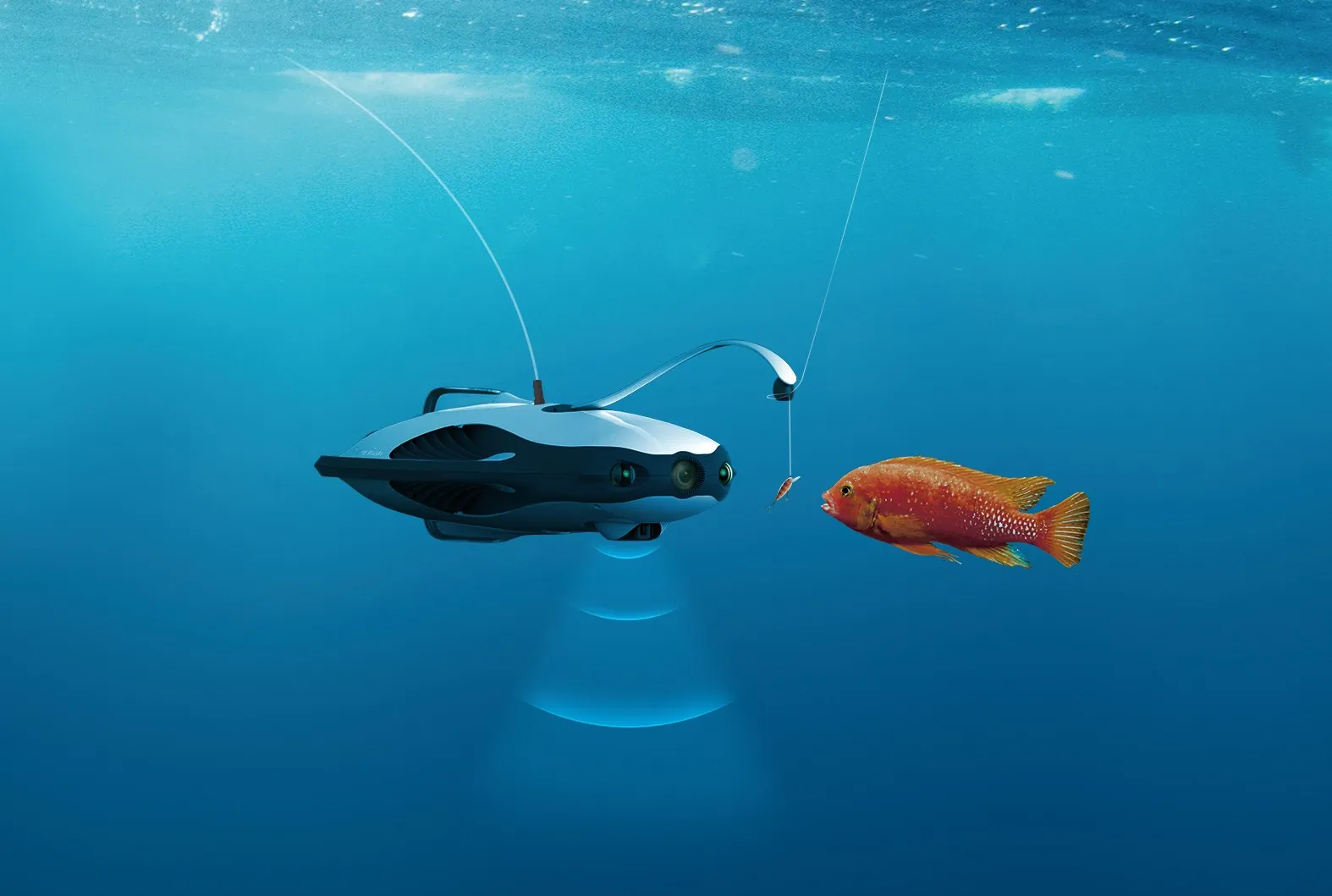
Rules for using drones while fishing vary significantly by country and state. In many regions, authorities classify drones as an unfair advantage or a disturbance to wildlife, leading to strict bans on their use for dropping lines or spotting fish.
| Your Situation | Answer | Why |
|---|---|---|
| Fishing in national parks | No | Most protected areas prohibit drone use. |
| Using drone for photography | Yes | Aerial filming is legal in many public spaces. |
| Dropping bait from drone | Varies | Check local state or provincial fishing laws. |
| Fishing in remote wilderness | Varies | Local land management rules apply here. |
| Using drone to scout fish | Varies | Some states ban scouting during fishing seasons. |
| Using drone in private water | Yes | Private owners set the local rules. |
Never assume that because a drone is registered for flight, it’s legal for fishing. If you’re within three miles of an airport, federal regulations often trigger a total flight ban regardless of local fishing laws. Violating these airspace restrictions can result in fines exceeding $1,000.
Distinguish between “recreational flight” and “commercial harvest.” If you sell your catch, regulators treat your drone as a commercial tool, which often requires a separate permit. If you’re unsure, check the local Department of Natural Resources website for a specific “method of take” clause. If the text doesn’t explicitly mention Unmanned Aerial Vehicles, assume the practice is prohibited to avoid confiscation of your gear.
The regulations that control drone fishing
Legal restrictions are the primary factor deciding if you can use your equipment for fishing. Many wildlife departments, such as the Florida Fish and Wildlife Conservation Commission, specifically address the use of drones in their statutes to prevent the harassment of fish or the creation of an unfair harvest method. Because drones cover distance quickly, they can reach deep-water structures that are otherwise inaccessible, which agencies often view as violating “fair chase” principles.
If you plan to use a drone, you must also follow federal aviation rules. In the United States, the Federal Aviation Administration (FAA) requires recreational pilots to keep their aircraft within their visual line of sight at all times. If you’re focused on your fishing line, you likely can’t maintain the required visual contact with your drone, which makes the flight illegal under federal law.
Environmental impact is another major factor. Drones produce significant noise and downdraft, which can stress fish populations and disturb other anglers who are fishing nearby. If the law in your area is silent on drones, you should assume that standard harassment laws still apply.
If you encounter a local warden, you must be able to prove your activities comply with both aviation and wildlife codes. If the law prohibits motorized aid, then don’t fly; if the law allows it, then ensure you maintain full visual contact.
How to set up a drone for fishing
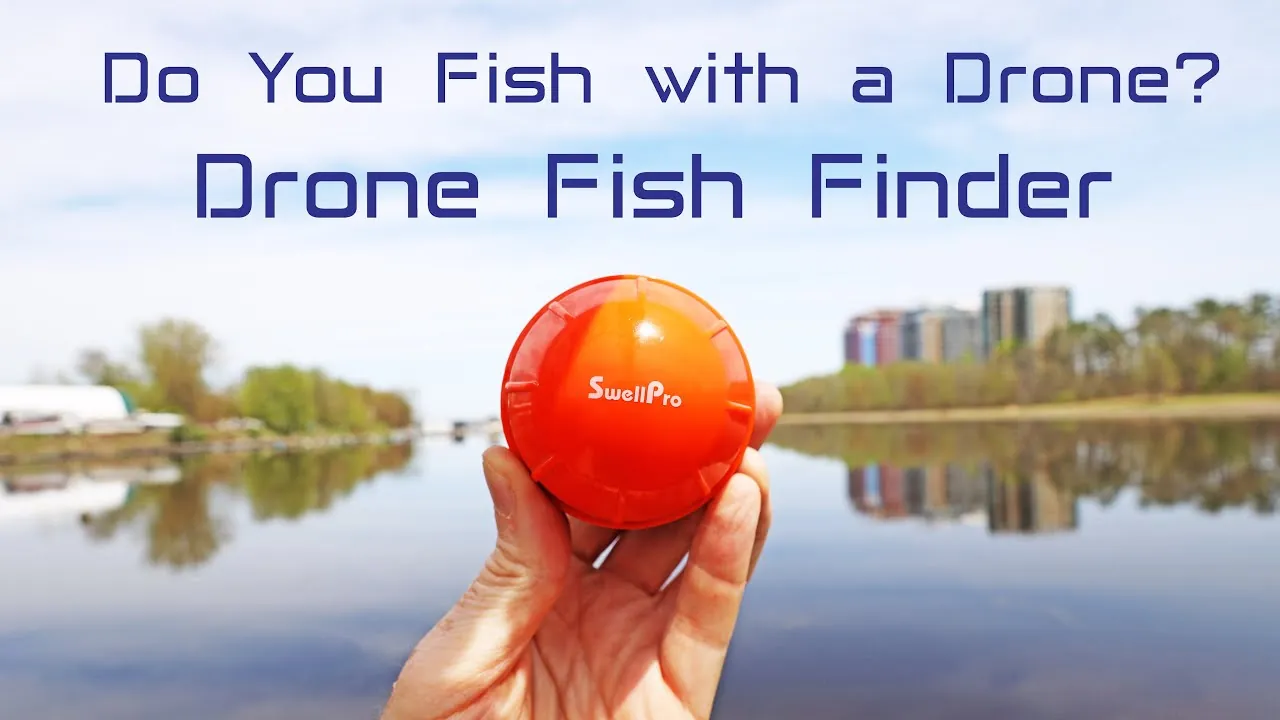
If your local laws allow drone fishing, you must configure your hardware to release the line safely without damaging the drone’s rotors or internal sensors.
- Attach a manual release clip to the drone’s landing gear or a dedicated mounting bracket.
- Secure your fishing line to the clip, ensuring the tension is set low enough to release when you pull the rod.
- Check the drone’s payload capacity to ensure the combined weight of your sinker, bait, and hook doesn’t exceed the manufacturer’s limit.
- Fly the drone to the target spot while keeping the aircraft in your direct line of sight.
- Engage the release mechanism by jerking the fishing rod or performing a specific flight maneuver if using an electronic release.
Always test this setup over dry land first. If the release clip fails to open, the drone may be pulled into the water, resulting in the total loss of your equipment.
The mistake people make
The most common mistake is ignoring the maximum payload capacity of the drone. People often attach heavy sinkers or large live baits that push the aircraft beyond its structural limits. This forces the motors to work harder, which drains the battery much faster than expected and often leads to an inflight crash.
The cost of this error is usually the total loss of the drone in the water. You can avoid this by weighing your total fishing rig on a kitchen scale and ensuring it stays at least 20% below the drone’s maximum lift capacity.
If you’re flying in high winds or over turbulent surf, increase that buffer to 30%. These conditions create erratic drag that can spike motor load instantly. If the drone struggles to hover at a steady altitude immediately after takeoff, land it at once. That hesitation is the sound of your motors nearing a terminal failure point.
When to stop and get help
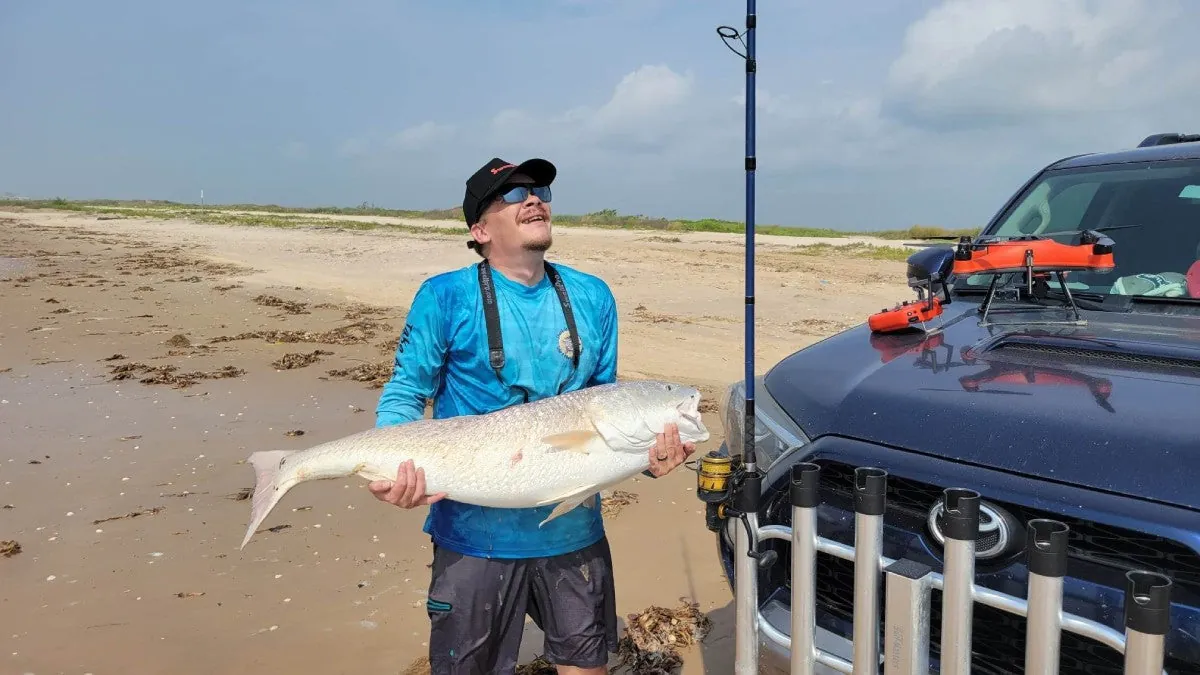
You should stop using your drone immediately if you encounter these situations:
If birds or other animals alter their flight path or flee because of your drone, land instantly. Harassment of wildlife is a federal offense in many jurisdictions, and a single viral video of your drone chasing a nesting hawk can lead to heavy fines.
Frequent signal drops indicate interference from hidden power lines or high-frequency radio towers. If your controller loses connection more than twice in one flight, don’t attempt to “push through” the signal; land and move at least 500 feet away to regain a stable link.
Local ordinances often override broader state or national permissions. If you see a sign prohibiting drones, respect it even if your FAA registration suggests otherwise. Local law enforcement can seize your equipment for trespassing or nuisance violations on municipal property.
A “motor overload” error isn’t a software glitch; it’s a mechanical warning that a bearing is failing or a propeller is warped. Continuing to fly with this warning will lead to a total power failure within minutes. If you see this light, ground the unit and send it to a certified technician.
Frequently asked questions
Can you use a drone to find fish?
Yes, you can use a drone to find fish, but you must check if your local wildlife agency prohibits aerial scouting. Many states ban the use of drones to locate fish during an active fishing season because it’s considered an unfair advantage that violates local sportsmanship laws.
How much weight can a fishing drone carry?
Most consumer drones can safely carry between 100 and 500 grams, but this depends entirely on the specific model and battery life. Always check your drone’s technical manual for the “maximum takeoff weight” and subtract the weight of the aircraft to find your remaining payload capacity.
Is it legal to fish with a drone in the ocean?
It depends on the specific coastal regulations of your state or country. While some coastal areas allow it, others classify drones as motorized equipment that’s banned from use for harvesting or harassing marine life in protected coastal zones.
What happens if the drone falls into the water?
If your drone falls into the water, you’ll likely suffer a total loss of the device due to saltwater corrosion or electrical shorts. Most manufacturers don’t cover water damage under their standard warranty, and recovering the device from the seabed is often impossible.
Does drone fishing scare the fish away?
Yes, drone fishing can scare fish away because the low-altitude noise and the shadow of the aircraft are visible to fish in clear or shallow water. This disturbance often makes the fish move to deeper, darker areas, which can make your actual fishing attempt less successful.
Can I use a drone to drop bait in a lake?
Yes, you can use a drone to drop bait in a lake if the lake’s management rules don’t explicitly forbid the use of unmanned aircraft. Many private lakes and municipal parks have strict “no drone” policies, so you should check posted signage before you launch.
Conclusion
Start by reviewing the specific fishing and drone regulations for your local body of water on the official government website for your region. When you arrive, test your release mechanism on the ground to ensure it opens smoothly. If the drone shows any warning lights or if you lose visual contact with the craft, land it immediately and stop your session to prevent equipment loss.