Usually not, as using drones on waterways to fish is often illegal under local and federal fishing regulations.
Fishing regulations and drone use
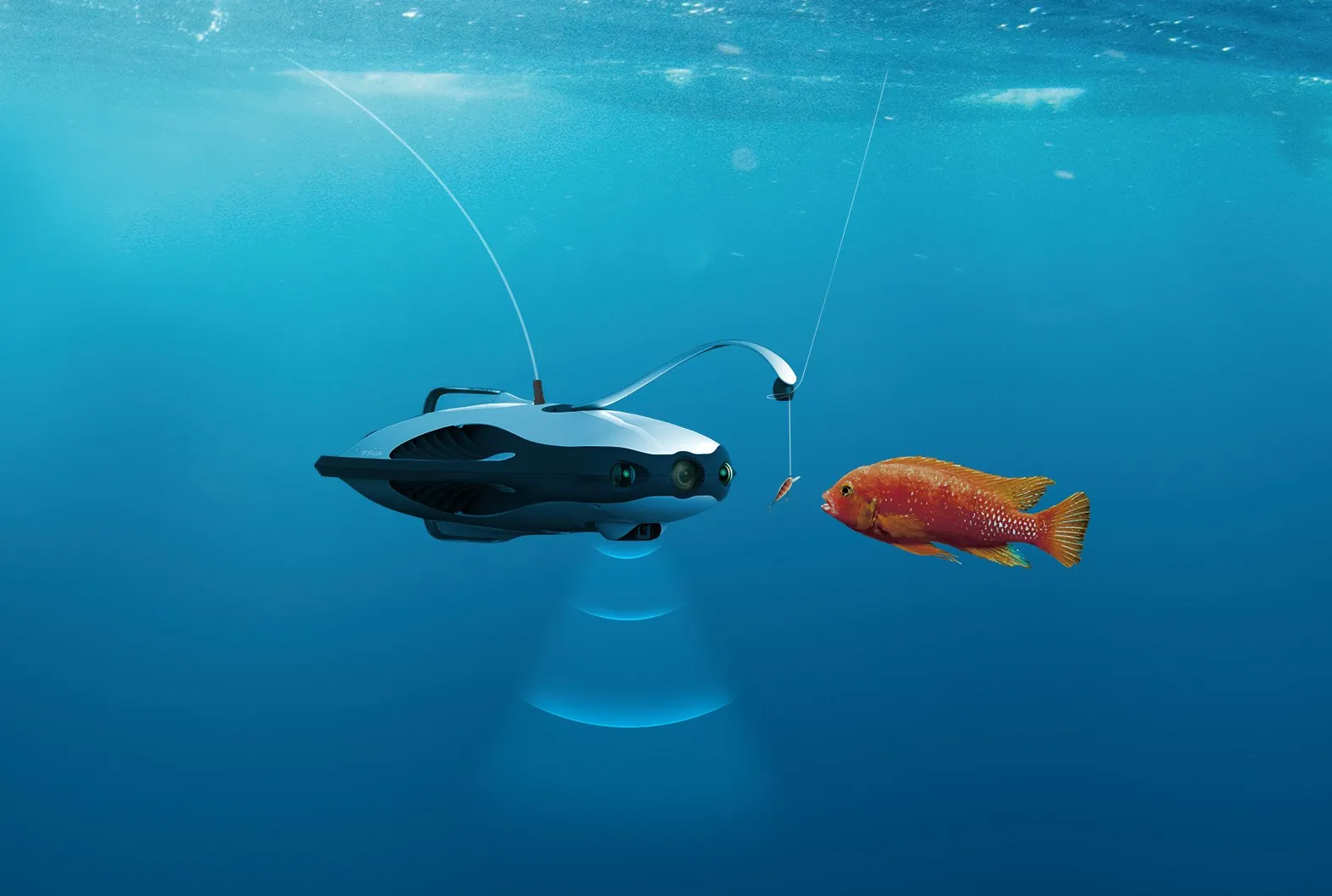
Determining whether you can legally use a drone depends entirely on your local fishing authority. While some areas permit the use of drones for photography or scouting, using them to deploy lines or hooks is frequently classified as a violation of fair chase principles.
If your drone carries a payload release mechanism, assume it’s illegal for fishing. Most state wildlife agencies categorize this as “remote-assisted angling,” which carries the same penalties as poaching. You risk heavy fines and the permanent seizure of your drone and fishing gear if a warden catches you mid-drop.
Scouting is a different matter, but it remains a legal gray area. If you use a drone to locate a school of fish, you must ensure you aren’t violating local harassment laws. If the drone’s presence alters the natural behavior of protected species, you’re liable for a citation.
Always check the specific regulations for the body of water you’re visiting. National parks maintain a blanket ban on all motorized aerial equipment. If you’re in a state park, check for signage regarding “unmanned aircraft systems” before takeoff. If the site is silent on the matter, default to the local state fishing code rather than assuming it’s permitted.
Why fishing laws restrict drone use
The primary reason authorities restrict this technology is the concept of fair chase. Fishing regulations generally require that the angler has a direct, manual connection to the rod and reel throughout the process. Using a drone to fly a line out removes the physical skill of casting and gives the angler an unfair advantage in reaching deep-water areas that are otherwise inaccessible from the shore.
Additionally, drones pose a risk to wildlife and other recreational users on the water. Many state agencies, such as the Florida Fish and Wildlife Conservation Commission, explicitly list the use of radio-controlled devices for fishing as a prohibited method. This is because these devices can disturb nesting birds and interfere with the natural behavior of fish populations.
If you’re unsure about the rules in your area, contact your local park ranger or state wildlife office. They provide specific guidance on whether remote-controlled equipment is allowed on their managed waters. If the regulations remain silent, assume that the activity is prohibited to avoid heavy fines or the seizure of your equipment.
If you’re in a state that permits drone use, you must still follow all standard fishing license requirements; if you’re in a state that forbids it, you must stick to traditional casting methods.
If you choose to scout with a drone
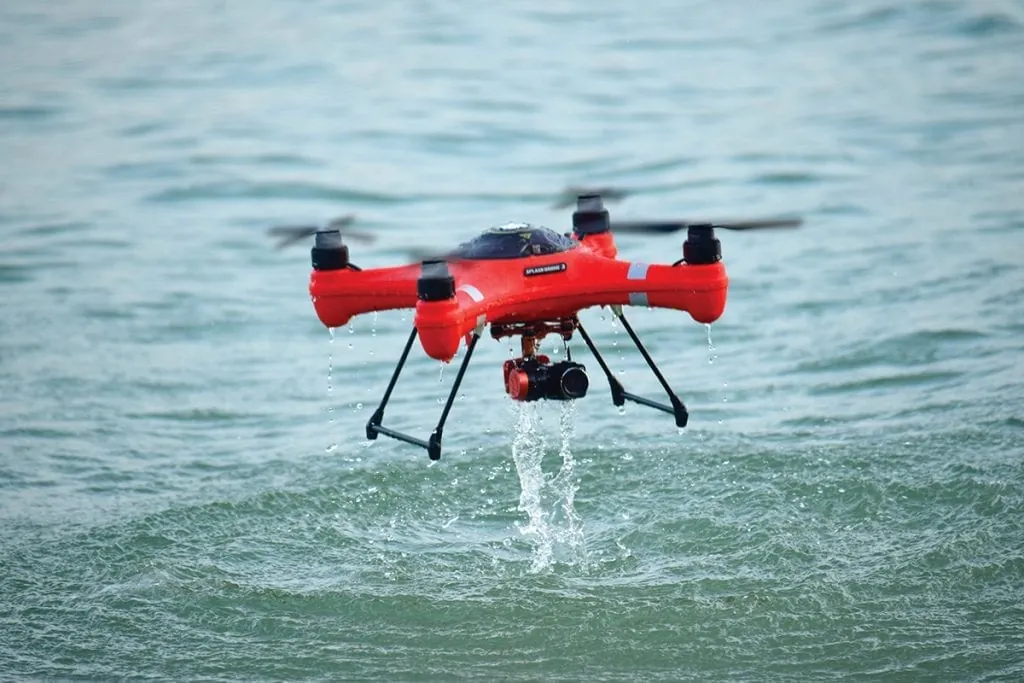
If you decide to use a drone for scouting only, follow these steps to ensure you remain within the law. Always keep your drone at least 500 feet away from any nesting birds or wildlife, as disturbing them is a separate legal offense in many jurisdictions.
- Verify your local airspace. Use a flight app to ensure you aren’t in restricted zones like airports or military bases.
- Launch from a legal site. Always take off from public land where drone operation is permitted.
- Keep the device visible. Maintain a direct line of sight with your drone at all times to avoid accidents with other boaters.
- Monitor battery levels. Return to your landing spot when your battery hits 20% to avoid an emergency landing in the water.
- Observe from a distance. Use the camera to locate structure or weed beds without hovering directly over schools of fish.
You’ll know this process is working when you can identify terrain features on your screen without interfering with the activity of other anglers or wildlife. If the drone loses signal or the screen flickers, land it immediately to avoid a crash.
The mistake people make
The most common mistake is assuming that because a drone is a piece of hobby equipment, it’s exempt from fishing laws. Anglers often spend hundreds of dollars on specialized drop-release mechanisms, only to have their equipment confiscated by wildlife officers during a routine check. This mistake results in the loss of expensive gear and can lead to significant fines for illegal fishing practices.
Check your state’s specific definition of “angling” before you fly. If the law defines fishing as any method that uses a line to hook a fish, a drone-deployed line is legally identical to a rod and reel.
If your state prohibits “remote-operated devices” for bait delivery, you’re effectively poaching. If you’re unsure, call your local game warden. If they can’t confirm the legality of your specific drone model, assume it’s prohibited. It’s cheaper to lose a day of fishing than your license.
When to stop and get help
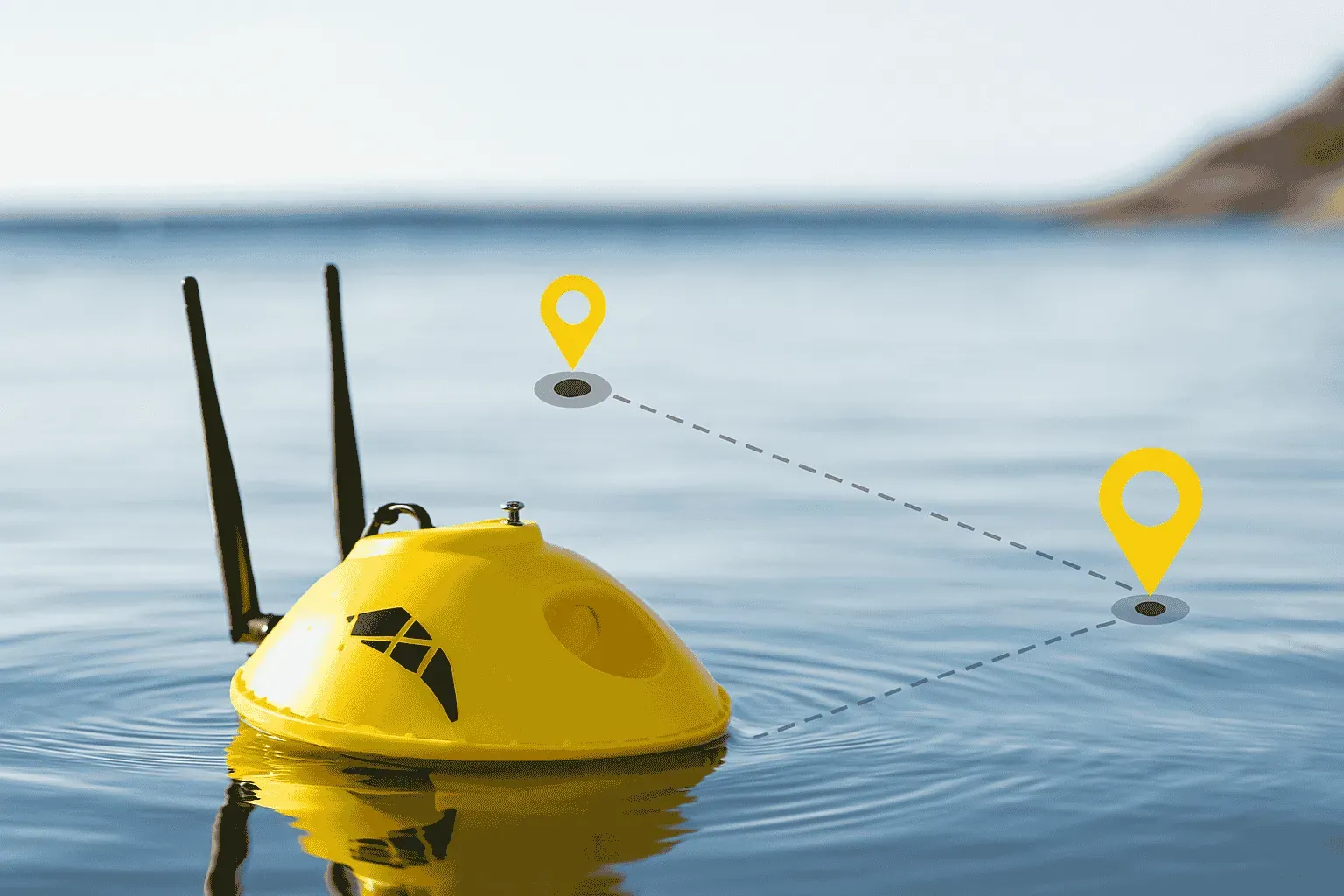
You should stop using your drone immediately and contact a local authority if you encounter any of the following situations:
The drone crashes into the water. Retrieving a submerged lithium-ion battery can trigger fines for environmental contamination, especially in protected waterways.
You receive a warning from a game warden. Continued use after a verbal warning is often classified as willful non-compliance, which can lead to the permanent seizure of your gear and heavy civil penalties.
The device interferes with other people’s fishing lines. This creates a clear liability risk if you cause property damage or physical injury to others.
If you’re unsure about a specific law, consult with a licensed fishing guide or your state’s department of natural resources. These experts provide binding interpretations of local statutes.
Never attempt to argue the legality of your equipment with a warden in the field. If they order you to land, comply instantly. You can always contest the citation later in court, but arguing on-site often leads to immediate arrest for obstruction.
Frequently asked questions
Can you use a drone to drop bait in the ocean?
No, most coastal states and federal waters prohibit the use of any drone to deploy fishing lines or bait. This is considered an illegal method of taking fish, and you can face heavy fines or the loss of your boat and fishing privileges if caught by authorities.
Is it legal to film fish from above?
Yes, you can typically film fish from a drone for personal use, provided you aren’t in a restricted wildlife sanctuary. You must ensure that your drone doesn’t hover low enough to harass the fish or disturb the surrounding environment, as that’s illegal under federal wildlife protection laws.
How high should I fly to avoid disturbing fish?
You should maintain an altitude of at least 100 feet above the water surface to minimize the noise and shadow cast by the drone. Flying lower than this can cause fish to scatter, which ruins the fishing opportunity for yourself and any other anglers working the same area.
What happens if my drone falls into a lake?
If your drone falls into a lake, you’re responsible for the environmental impact of the battery and plastic parts. Many jurisdictions require you to report the loss of such equipment if it contains lithium batteries, as these are considered hazardous waste that can leach chemicals into the water.
Does it matter if the drone is small?
No, the size of the drone doesn’t matter when it comes to fishing regulations. Whether your drone weighs one pound or ten pounds, it’s classified as a motorized device, and the laws regarding their use for fishing apply equally regardless of the physical size of the unit.
Can I use a drone to find fish for a friend?
No, using a drone to locate fish for someone else to catch is generally considered “guiding” or “spotting,” which is illegal without a proper commercial license. You could be charged with assisting in illegal fishing activities if you use technology to provide an unfair advantage to an angler.
Conclusion
Start by checking your state’s official fishing regulation handbook for the “Prohibited Methods” section. You’ll know you’re in the clear if the manual explicitly states that drone use for scouting is permitted. If you can’t find a clear “yes” in the official documentation, stop and contact your local wildlife office to avoid a legal violation.